Most industrial operations collect inspection data for years. Condition ratings, defect photos, corrective action outcomes, maintenance logs. Thousands of records across dozens of assets and multiple sites.
That data gets used once to generate a compliance report. Then it sits in a database, untouched.
AI preventative maintenance changes that. It is the analysis layer that takes everything your operation has already collected and finds the patterns, predictions, and priorities buried in that data. The result is a shift from reactive maintenance to proactive operations where your team knows which assets are heading toward failure before they get there. Combined with a robust inspection management system, AI preventative maintenance gives operations leaders a capability they have never had before.
What Is AI Preventative Maintenance?
AI preventative maintenance is the use of artificial intelligence to analyse historical inspection and asset data to predict equipment failures, optimize maintenance schedules, and prioritize repairs based on actual risk rather than fixed intervals or manual judgment.
It is different from traditional preventive maintenance in one important way. Traditional preventive maintenance schedules service activities on fixed intervals. Change the oil every 250 hours. Inspect the conveyor belt every 30 days. These schedules are based on general guidelines, not on the actual condition of your specific assets in your specific operating environment.
AI preventative maintenance looks at your actual inspection history. It identifies what conditions led to failures in your operation, how fast your specific assets degrade under your specific operating conditions, and which maintenance activities actually prevented failures versus which were unnecessary. Then it uses those patterns to predict what is most likely to go wrong next and when.
How AI Preventative Maintenance Works
The process follows five stages that connect your existing inspection data to actionable maintenance intelligence.
Stage 1: Data Collection
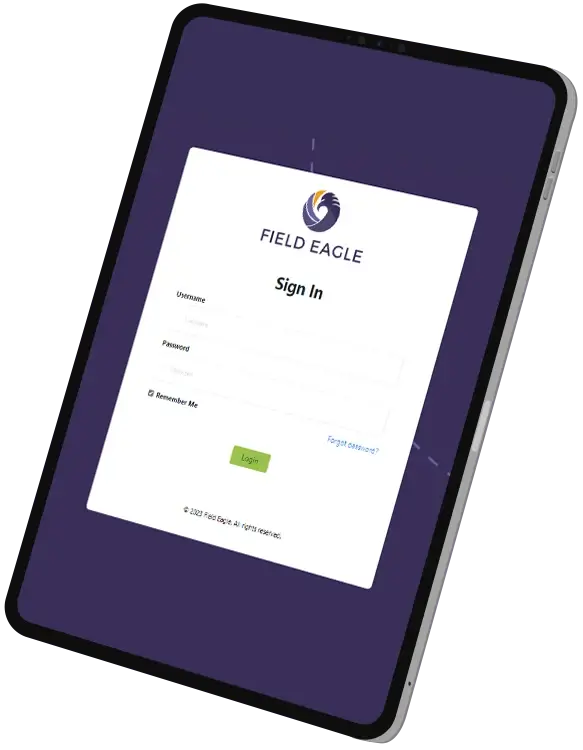
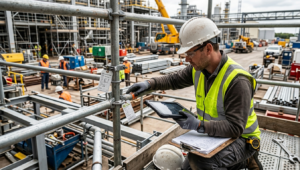
Your field inspection teams complete inspections using digital inspection forms on a tablet exactly as they always have. Every condition rating, defect photo, corrective action outcome, and maintenance finding is captured and stored in the inspection database. This is the raw material the AI analyses.
Stage 2: Trend Analysis
The AI reviews your accumulated inspection history across every asset, every site, and every inspection cycle. It processes thousands of records simultaneously, looking for patterns that no manual review process could identify. How fast is this asset’s condition rating declining? How does that compare to similar assets at the same age and usage level? What conditions typically precede a failure of this asset type?
Stage 3: Risk Detection
Assets showing early deterioration patterns consistent with previous failures are flagged before they reach critical status. High-risk site conditions that match historical incident patterns are identified. Inspection schedules are evaluated against actual risk levels to identify assets that need more frequent attention and those where inspection frequency can be safely reduced.
Stage 4: Failure Forecasting
The AI produces specific predictions. Which assets are heading toward failure. When action needs to be taken. What that action should be. Corrective actions are ranked by risk level and cost of inaction so your maintenance team knows exactly where to focus first.
Stage 5: Preventing Downtime
Your team acts on AI-prioritized recommendations before failures occur. As a result, planned maintenance replaces emergency callouts, and unplanned downtime decreases. Moreover, teams address health and safety risks before incidents occur. Finally, every completed inspection improves the model’s accuracy.
What AI Preventative Maintenance Surfaces
The AI analysis delivers five types of insight that manual inspection review cannot produce:
Failure Prediction
Moreover, the AI flags assets that show early deterioration patterns linked to previous failures. It also recommends specific action before those assets reach critical status. This is not a general warning that something might go wrong. It is a specific prediction about a specific asset with a recommended timeline for action.
Inspection Schedule Optimization
Not every asset carries the same risk. The AI identifies asset types and locations that consistently show low risk, so inspection frequency can be safely reduced. It also identifies high-risk areas that need more attention than your current fixed schedule provides. The result is an inspection program that puts effort where the risk is.
Corrective Action Prioritization
When inspections generate a long list of findings, the AI ranks corrective actions by risk level and cost of inaction based on historical failure patterns. Your maintenance team sees the most consequential repairs at the top of the list automatically rather than working through an undifferentiated pile of findings.
Asset Condition Trending
Standard inspection reports show the current state of an asset at a single point in time. AI analysis shows the direction of travel and the rate of change. Is that asset getting worse? How fast? How does that rate compare to similar assets that eventually failed? This longitudinal view is impossible to produce manually across a large asset fleet.
Health and Safety Risk Identification
Site conditions that look unremarkable in a single inspection become visible when the AI connects them to patterns across hundreds of previous inspections. Health and safety risks are identified from historical patterns, not just from current findings.
Who Benefits from AI Preventative Maintenance?
AI preventative maintenance delivers the most value in operations that:
- Have been collecting structured inspection data for a year or more
- Manage large fleets of assets across multiple sites
- Operate in high-consequence environments where equipment failure has significant safety or production impact
- Are currently spending significant resources on reactive maintenance and emergency repairs
- Have inspection programs that generate more data than anyone has time to fully review
Industries where these conditions are common include oil and gas, mining, construction, manufacturing, and utilities.
The Data Advantage: More History Means Better Predictions
The AI model improves continuously as your inspection database grows. Every inspection your team completes adds another data point. Every corrective action outcome teaches the model what patterns lead to what results.
Organizations that have been running structured inspection programs for longer start with a richer dataset and see more precise predictions from day one. But the AI begins contributing useful insights from the first analysis run and improves with every inspection cycle.
This is the core competitive advantage of AI preventative maintenance built on an inspection platform like Field Eagle. The data your team collected for compliance purposes becomes a strategic asset. Years of asset inspection records that have never been fully analysed suddenly tell you things about your operation that would take years of manual review to surface, if manual review could surface them at all.
Frequently Asked Questions
No. Your inspectors keep working exactly as they always have. They use the field inspection app to complete inspections, capture photos, record condition ratings, and submit findings. The AI works on the data your team is already collecting. The only thing that changes is what managers and operations leaders see when they review inspection outputs.
The AI can begin identifying patterns from existing inspection history immediately. Organizations with more accumulated inspection data see more precise and specific predictions. But the AI starts contributing useful insights from the first analysis and improves continuously with every inspection your team completes.
Traditional preventive maintenance schedules service activities on fixed intervals based on general guidelines. AI preventative maintenance analyses your actual inspection history to predict failures based on the specific condition patterns observed in your operation.As a result, teams schedule maintenance according to actual risk instead of generic time intervals. Consequently, they reduce unnecessary maintenance and unexpected failures.
The AI identifies failures that follow patterns visible in historical inspection data. This includes mechanical failures preceded by condition rating decline, corrosion-related failures with measurable progression histories, equipment failures correlated with specific operating conditions, and recurring failure modes that repeat across asset classes or locations. The more structured the historical inspection data, the more types of failure patterns the AI can identify.
Yes. One of the key outputs of AI analysis is inspection schedule optimization. The AI identifies consistently low-risk asset types and locations. Therefore, teams can safely reduce their inspection frequency. It also identifies high-risk areas that need more frequent attention than current schedules provide. The result is an inspection program that allocates resources based on actual risk rather than fixed intervals, which typically reduces total inspection cost while improving coverage of the highest-risk assets.