Update cookies preferences

The Hidden Cost of Reactive Maintenance in Oil and Gas, Mining, and Construction

Share

The Hidden Cost of Reactive Maintenance in Oil and Gas, Mining, and Construction

Reactive maintenance feels like the cheaper option. You wait for something to break, then fix it. No upfront investment in scheduling, no inspections that feel unnecessary when the equipment seems fine.

The problem is that reactive maintenance is not actually cheaper. It is significantly more expensive, and most of the cost is hidden until it hits you all at once.

This article breaks down the real cost of reactive maintenance in high-risk industrial operations and how AI preventative maintenance changes the financial equation.

What Reactive Maintenance Actually Costs

The repair bill is only the start. Every unplanned equipment failure in an industrial operation carries costs that extend far beyond what shows up on the maintenance invoice.

Emergency Repair Premiums

Emergency repairs cost between 3 and 5 times more than planned maintenance. When equipment fails unexpectedly, you pay emergency labour rates, expedited parts shipping, and contractor callout fees. You also pay with lost production time while you source the parts and wait for the repair crew.

Production Downtime

In mining, oil and gas, and construction, a single hour of unplanned downtime can cost tens of thousands of dollars. A major equipment failure on a critical production asset can shut down an operation for days. The production loss alone typically dwarfs the repair cost by a factor of five to ten.

Secondary Damage

Equipment failures rarely affect only the failed component. A bearing that fails due to inadequate lubrication takes out the shaft. A pump that runs dry damages the seals and impeller. A conveyor belt that runs misaligned wears the rollers and frame. Reactive maintenance often turns a minor repair into a major one because the initial failure was not caught early through regular equipment inspection.

Health and Safety Incidents

Equipment that fails unexpectedly in a high-risk environment can injure or kill workers. Beyond the human cost, a safety incident carries regulatory investigation, potential prosecution, increased insurance premiums, and reputational damage that affects future contract opportunities. Health and safety inspection software exists precisely because the cost of preventable incidents is this severe.

Regulatory Exposure

Reactive maintenance operations struggle to maintain the inspection and compliance documentation that regulators require. MSHA, OSHA, and other regulatory bodies expect to find documented maintenance histories and inspection records. An operation that fixes things when they break rather than maintaining them on schedule is an operation that is vulnerable to regulatory sanction.

Shortened Asset Life

Equipment that operates until failure accumulates far more wear and secondary damage than equipment maintained on a proactive schedule. The result is replacement cycles that are significantly shorter than the asset’s design life. Over a fleet of assets, this represents substantial capital expenditure that proactive preventative maintenance could have deferred for years.

Why Operations Fall Into the Reactive Maintenance Trap

Most operations do not choose reactive maintenance intentionally. They fall into it because proactive maintenance requires information they do not have.

To maintain an asset proactively, you need to know when it is likely to fail. Traditional preventive maintenance addresses this with fixed intervals – service every 250 hours, inspect every 30 days. But fixed intervals are blunt instruments. They schedule maintenance on every asset regardless of its actual condition.

The result is that some assets get maintained too frequently while others are on the wrong schedule for their actual operating conditions. Inspections happen but the data they generate sits in a database without being analysed for patterns that would predict failures more precisely.

This is the gap that AI preventative maintenance fills.

How AI Preventative Maintenance Changes the Cost Equation

Field Eagle AI Preventative Maintenance analyses your historical inspection data to identify which assets are heading toward failure before they get there. It does not replace your inspection program. It analyses the data your program is already generating and surfaces the patterns that predict failures.

Earlier Intervention, Lower Repair Costs

Catching a bearing showing early signs of fatigue costs far less than replacing the shaft it destroys when it finally fails. The AI identifies these early warning signs across your entire asset fleet simultaneously, something no manual review process can do at scale.

Optimized Inspection Frequency

Instead of inspecting every asset on the same fixed schedule, AI analysis identifies which assets can safely extend their inspection interval and which need more frequent attention. This reduces total inspection cost while improving coverage of the highest-risk assets.

Risk-Ranked Repair Priorities

When corrective actions are prioritized by risk level and cost of inaction rather than by the order they were reported, your maintenance team focuses limited resources on the repairs that matter most. High-consequence repairs get done first. Low-consequence items are scheduled appropriately rather than consuming the same urgency as critical failures.

Reduced Regulatory Exposure

An operation running AI-informed proactive maintenance has complete inspection histories, documented maintenance decisions based on data-driven risk assessment, and evidence that the organization is systematically identifying and addressing risks. This is exactly what regulators want to see.

The Industries Where This Matters Most

Oil and Gas

An unplanned shutdown on an offshore platform can cost hundreds of thousands of dollars per day. A pressure vessel failure can be catastrophic. Oil and gas asset integrity management programs that use AI analysis of inspection history consistently outperform fixed-interval programs on both cost and safety outcomes.

Mining

Mining operations depend on high-value equipment running continuously. A haul truck failure during peak production, a conveyor breakdown, or a crusher shutdown can stop an entire operation. Mining asset management programs that predict equipment failures from inspection data prevent the unplanned downtime that reactive maintenance cannot.

Construction

Equipment failures at critical project milestones create schedule delays with contractual consequences. A crane that breaks down during a critical lift or an excavator that fails during earthworks delays the entire project. Construction asset management programs that predict maintenance windows keep projects on schedule.

Frequently Asked Questions

Reactive maintenance feels like the cheaper option. You wait for something to break, then fix it. No upfront investment in scheduling, no inspections that feel unnecessary when the equipment seems fine.

The problem is that reactive maintenance is not actually cheaper. It is significantly more expensive, and most of the cost is hidden until it hits you all at once.

This article breaks down the real cost of reactive maintenance in high-risk industrial operations and how AI preventative maintenance changes the financial equation.

What Reactive Maintenance Actually Costs

The repair bill is only the start. Every unplanned equipment failure in an industrial operation carries costs that extend far beyond what shows up on the maintenance invoice.

Emergency Repair Premiums

Emergency repairs cost between 3 and 5 times more than planned maintenance. When equipment fails unexpectedly, you pay emergency labour rates, expedited parts shipping, and contractor callout fees. You also pay with lost production time while you source the parts and wait for the repair crew.

Production Downtime

In mining, oil and gas, and construction, a single hour of unplanned downtime can cost tens of thousands of dollars. A major equipment failure on a critical production asset can shut down an operation for days. The production loss alone typically dwarfs the repair cost by a factor of five to ten.

Secondary Damage

Equipment failures rarely affect only the failed component. A bearing that fails due to inadequate lubrication takes out the shaft. A pump that runs dry damages the seals and impeller. A conveyor belt that runs misaligned wears the rollers and frame. Reactive maintenance often turns a minor repair into a major one because the initial failure was not caught early through regular equipment inspection.

Health and Safety Incidents

Equipment that fails unexpectedly in a high-risk environment can injure or kill workers. Beyond the human cost, a safety incident carries regulatory investigation, potential prosecution, increased insurance premiums, and reputational damage that affects future contract opportunities. Health and safety inspection software exists precisely because the cost of preventable incidents is this severe.

Regulatory Exposure

Reactive maintenance operations struggle to maintain the inspection and compliance documentation that regulators require. MSHA, OSHA, and other regulatory bodies expect to find documented maintenance histories and inspection records. An operation that fixes things when they break rather than maintaining them on schedule is an operation that is vulnerable to regulatory sanction.

Shortened Asset Life

Equipment that operates until failure accumulates far more wear and secondary damage than equipment maintained on a proactive schedule. The result is replacement cycles that are significantly shorter than the asset’s design life. Over a fleet of assets, this represents substantial capital expenditure that proactive preventative maintenance could have deferred for years.

Why Operations Fall Into the Reactive Maintenance Trap

Most operations do not choose reactive maintenance intentionally. They fall into it because proactive maintenance requires information they do not have.

To maintain an asset proactively, you need to know when it is likely to fail. Traditional preventive maintenance addresses this with fixed intervals – service every 250 hours, inspect every 30 days. But fixed intervals are blunt instruments. They schedule maintenance on every asset regardless of its actual condition.

The result is that some assets get maintained too frequently while others are on the wrong schedule for their actual operating conditions. Inspections happen but the data they generate sits in a database without being analysed for patterns that would predict failures more precisely.

This is the gap that AI preventative maintenance fills.

How AI Preventative Maintenance Changes the Cost Equation

Field Eagle AI Preventative Maintenance analyses your historical inspection data to identify which assets are heading toward failure before they get there. It does not replace your inspection program. It analyses the data your program is already generating and surfaces the patterns that predict failures.

Earlier Intervention, Lower Repair Costs

Catching a bearing showing early signs of fatigue costs far less than replacing the shaft it destroys when it finally fails. The AI identifies these early warning signs across your entire asset fleet simultaneously, something no manual review process can do at scale.

Optimized Inspection Frequency

Instead of inspecting every asset on the same fixed schedule, AI analysis identifies which assets can safely extend their inspection interval and which need more frequent attention. This reduces total inspection cost while improving coverage of the highest-risk assets.

Risk-Ranked Repair Priorities

When corrective actions are prioritized by risk level and cost of inaction rather than by the order they were reported, your maintenance team focuses limited resources on the repairs that matter most. High-consequence repairs get done first. Low-consequence items are scheduled appropriately rather than consuming the same urgency as critical failures.

Reduced Regulatory Exposure

An operation running AI-informed proactive maintenance has complete inspection histories, documented maintenance decisions based on data-driven risk assessment, and evidence that the organization is systematically identifying and addressing risks. This is exactly what regulators want to see.

The Industries Where This Matters Most

Oil and Gas

An unplanned shutdown on an offshore platform can cost hundreds of thousands of dollars per day. A pressure vessel failure can be catastrophic. Oil and gas asset integrity management programs that use AI analysis of inspection history consistently outperform fixed-interval programs on both cost and safety outcomes.

Mining

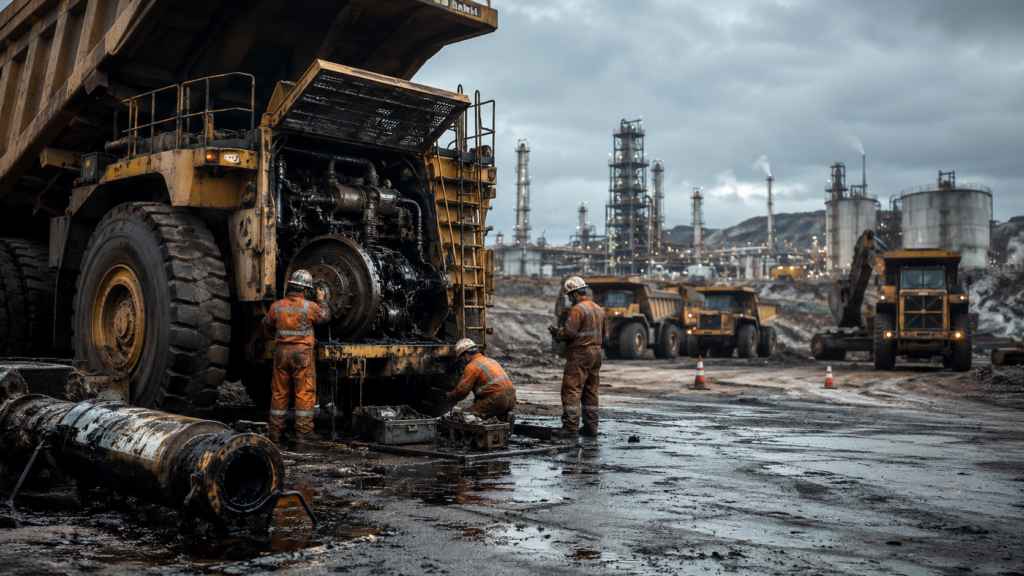
Mining operations depend on high-value equipment running continuously. A haul truck failure during peak production, a conveyor breakdown, or a crusher shutdown can stop an entire operation. Mining asset management programs that predict equipment failures from inspection data prevent the unplanned downtime that reactive maintenance cannot.

Construction

Equipment failures at critical project milestones create schedule delays with contractual consequences. A crane that breaks down during a critical lift or an excavator that fails during earthworks delays the entire project. Construction asset management programs that predict maintenance windows keep projects on schedule.

Frequently Asked Questions

Frequently Asked Questions

1. How much more expensive is reactive maintenance compared to planned maintenance?

Research across industrial operations consistently shows that emergency repairs cost between 3 and 5 times more than planned maintenance for the same work. When you add production downtime, secondary damage, and regulatory exposure, the total cost of reactive maintenance is typically 5 to 10 times higher than equivalent proactive maintenance.

2. How does AI predictive maintenance differ from traditional preventive maintenance?

Traditional preventive maintenance schedules service activities on fixed intervals based on general guidelines. AI predictive maintenance analyses actual inspection history to predict failures based on patterns specific to your equipment and operating conditions. It identifies which assets need attention before they fail and which are performing well enough to extend their service interval safely.

3. What data does AI preventative maintenance need to work?

AI preventative maintenance works on structured inspection data collected through a field inspection platform. This includes condition ratings, defect classifications, corrective action outcomes, maintenance findings, and asset histories. The more structured and consistent the data collection process, the more accurate the predictions.

4. Can small operations benefit from AI preventative maintenance?

AI preventative maintenance delivers the most value in operations with large asset fleets and significant inspection data histories. Smaller operations benefit less from the cross-asset pattern analysis but still benefit from the corrective action prioritization and inspection schedule optimization capabilities.

5. How quickly do operations see results from switching to proactive maintenance?

Operations that switch from purely reactive to proactive maintenance typically see measurable results within 6 to 12 months. Emergency repair frequency decreases as planned maintenance addresses issues before they cause failures. Production downtime decreases as high-risk assets receive appropriate attention. The full financial benefit compounds over time as the asset fleet is brought into better condition.

6. Does AI preventative maintenance require changing how inspectors work?

No. The inspectors collect data exactly as they always have using their field inspection tools. The AI analyses that data in the background and delivers insights to managers through a dashboard. The change is in what managers see and how maintenance priorities are determined, not in what inspectors do.

Not sure if Field Eagle is the right fit?

Start by asking: What would it cost us if we missed just one Critical Inspection?

Free Tablet Mockup

See More Posts

Excerpt

Reactive maintenance feels cheaper until you add up emergency repair premiums, production downtime, secondary damage, and regulatory exposure. Here is what reactive maintenance is actually costing your operation.

Not sure if Field Eagle is the right fit?

Start by asking: What would it cost us if we missed just one Critical Inspection?

Free Tablet Mockup

Request a Free Demo

Call Us

Call or Fill out the Form

or Fill out the Form

Request a Demo


Request a Feature

Request a Feature

Contact Us


We take your privacy seriously and will never share your information.

Contact Us


We take your privacy seriously and will never share your information.

Request a Demo


We take your privacy seriously and will never share your information.

Podcast