
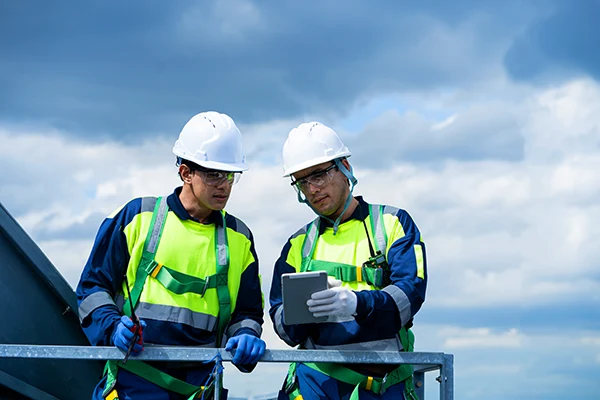
The oil and gas industry operates in high-pressure environments where even a small oversight can lead to catastrophic results. From offshore rigs to onshore processing plants, regular inspections are one of the most effective ways to reduce safety risks and keep crews protected.
Let’s take a closer look at the top five safety risks in oil and gas operations—and how inspections help prevent them.
1. Equipment Failure
Pumps, pipelines, compressors, and valves all wear down over time. Without routine inspections, faults can go unnoticed until they cause a major breakdown or explosion.
How inspections help:
- Identify wear and tear before failure
- Ensure preventive maintenance is on track
- Verify equipment meets operational standards
2. Gas Leaks and Chemical Exposure
Consequently, leaks of flammable or toxic gases put workers at risk and can result in environmental violations or shutdowns.
How inspections help:
- Detect early signs of corrosion or damage
- Monitor pressure readings and gas detectors
- Ensure safe storage and handling practices are followed
3. Fire and Explosion Hazards
Combustible materials, open flames, and pressurized systems increase the risk of fires or explosions.
How inspections help:
- Confirm that fire suppression systems are working
- Check emergency exits and alarms
- Verify that safety procedures are being followed
4. Structural Integrity Issues
From offshore rigs to refineries, structural weaknesses can lead to equipment collapse or worker injury.
How inspections help:
- Monitor signs of rust, cracks, and foundational damage
- Track repairs and inspection history
- Ensure compliance with structural safety regulations
5. Human Error and Procedural Gaps
However, even the best systems fail without proper human oversight. As a result, miscommunication or skipped steps can create serious safety threats.
How inspections help:
- Standardize procedures through digital checklists
- Track training and role-based responsibilities
- Catch and correct mistakes in the field
Final Thoughts
In the oil and gas industry, inspections are not just paperwork; they save lives. By identifying issues early, confirming that teams follow protocols, and maintaining compliance, inspections can prevent injuries, shutdowns, and environmental disasters.
Moreover, modern inspection tools help teams improve safety without slowing operations.
About Field Eagle
Moreover, Field Eagle is a trusted inspection and asset management software provider built for industries where compliance, safety, and efficiency are critical. From mining and oil and gas to manufacturing and infrastructure, Field Eagle equips field teams with the tools to work smarter, improve accuracy, and reduce operational risk.
FAQs
In particular, the key risks include equipment failure, gas leaks and chemical exposure, fire and explosion hazards, structural integrity issues, and human error or procedural gaps. Each of these can lead to serious safety incidents if not properly managed.
Regular inspections identify early signs of wear, corrosion, or malfunction in critical assets like pumps, pipelines, and compressors. This allows maintenance teams to address issues before they escalate into major breakdowns or safety incidents.
Consequently, gas leaks can release flammable or toxic substances that pose risks to workers and the environment. Therefore, inspections help by detecting early damage, monitoring safety systems, and ensuring proper handling and containment procedures are followed.
Inspections ensure fire suppression systems, alarms, and emergency exits are functional. They also verify that operational safety procedures are being followed and that hazardous conditions are identified before escalation.
Inspections standardize processes through structured checklists and documentation. They also track training, enforce procedures, and help identify mistakes in real time, reducing the likelihood of procedural failures and miscommunication.
