
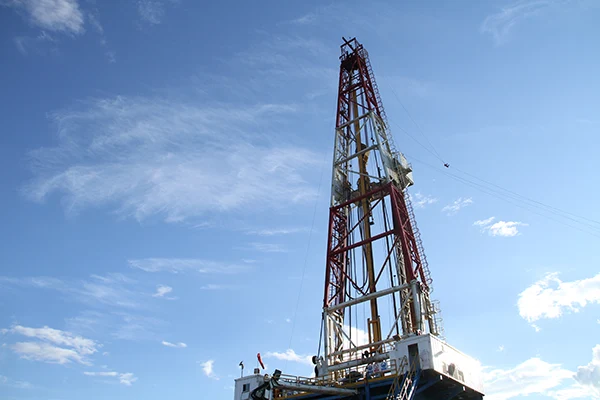
Oil rigs, whether offshore or on land, present some of the most demanding inspection environments in the industrial world. These complex structures operate under high pressure, harsh weather, and strict safety regulations. Inspections are essential, but they come with serious challenges.
Here are the most common obstacles in oil rig inspections—and how teams can overcome them with smart strategies and digital tools.
1. Limited Accessibility and Harsh Conditions
Oil rigs are often located in remote, hazardous environments with restricted access.
Challenges:
- Difficult terrain or ocean access
- High winds, saltwater corrosion, and temperature extremes
- Limited transport and inspection time windows
Solutions:
- Use rugged mobile inspection devices with offline functionality
- Schedule inspections during weather-safe windows
- Implement IoT sensors to reduce manual checks in hard-to-reach areas
2. Regulatory Complexity and Compliance Pressure
Oil and gas operations are governed by strict regulations at both local and international levels.
Challenges:
- Overlapping rules across jurisdictions
- High documentation standards
- Rapid changes in environmental and safety requirements
Solutions:
- Use standardized digital checklists that align with regulatory frameworks
- Centralize compliance documentation in one secure system
- Automate version control for forms and inspection protocols
3. Equipment Downtime and Disruption Risks
Taking rigs offline for inspection can delay production and impact revenue.
Challenges:
- Coordinating inspection with production schedules
- Managing inspection teams across shifts or locations
Solutions:
- Use real-time reporting tools to minimize downtime
- Conduct rolling inspections to avoid full-system shutdowns
- Track inspection metrics to optimize timing and reduce disruptions
4. Workforce and Contractor Coordination
Moreover, many oil rigs rely on mixed teams of full-time staff and third-party contractors.
Challenges:
- Inconsistent inspection methods or training
- Miscommunication between departments
Solutions:
- Firstly, provide mobile apps with built-in training prompts and SOPs.
- Secondly, track inspection performance by role or contractor.
- Finally, use dashboards to keep all teams aligned and informed.
5. Data Overload and Fragmentation
With thousands of inspection points, paper records and spreadsheets quickly become unmanageable.
Challenges:
- Delayed data entry and analysis
- Inconsistent formatting and reporting
Solutions:
- Implement cloud-based inspection platforms
- Use data analytics to highlight risk patterns and trends
- Visualize results through dashboards for faster decisions
Final Thoughts
Oil rig inspections aren’t easy, but they are critical. By embracing digital tools and proactive planning, teams can manage complexity, reduce risk, and ensure compliance—without halting production.
Because when inspections are done right, safety, performance, and profits go up together.
About Field Eagle
Field Eagle is a trusted inspection and asset management software provider built for industries where compliance, safety, and efficiency are critical. From mining and oil & gas to manufacturing and infrastructure, Field Eagle equips field teams with the tools to work smarter, improve accuracy, and reduce operational risk.
FAQs
Oil rig inspections are challenging due to remote locations, extreme weather conditions, limited accessibility, strict safety requirements, and complex operational schedules that restrict inspection windows.
High winds, saltwater corrosion, and temperature extremes make inspections more dangerous and equipment more prone to wear. These conditions can also limit access and shorten safe inspection timeframes.
In addition, compliance can be improved by using standardized digital inspection checklists aligned with regulations, centralizing documentation in a secure system, and maintaining version-controlled procedures to keep up with regulatory changes.
Teams reduce downtime by using real-time reporting tools, performing rolling inspections instead of full shutdowns, and carefully scheduling inspections during low-impact operational windows.
Furthermore, digital tools help consolidate inspection data, reduce paperwork, improve communication across teams, and provide analytics for identifying risks and trends, leading to faster decision-making and more efficient inspections.
