When an injury occurs in the workplace, insurance rates can skyrocket, but this isn’t the only area impacted. There are many hidden costs to workplace injuries that can end up costing businesses a lot of money.
One of the hidden costs of workplace injuries is lost productivity. When an employee is injured on the job, they often have to take time off from work to recover. This can lead to lost productivity and decreased output from your employees. Added to a decrease in productivity is the impact on morale and confidence that employees feel.
Hiring costs
Another hidden cost to be considered is hiring. If an employee is injured and has to be replaced, businesses often have to spend money on advertising and other recruitment costs. For many businesses recruitment costs are some of their largest expenses. They may also have to pay training costs for the new employee.
Training costs
Another cost to businesses is training. When an employee is injured and has to be replaced, businesses often have to spend money on re-training the new employee. This can be a significant expense, especially if you’ve invested a lot of time and money in proper training for the original employee.
When training new employees, not only are they less productive out the gate as they don’t understand the systems and processes in place, there’s often an impact on other seasoned employees also. Many companies use existing staff as training resources. While this makes sense from the point of view of understanding the role, it impacts the bottom line as they cannot be as productive on their job while spending time instructing a new employee.
Lost productivity
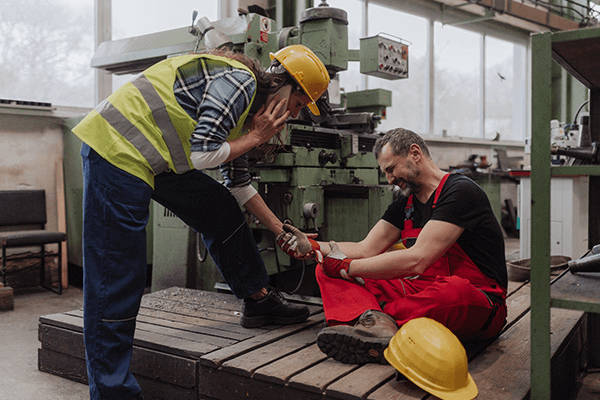
In addition to the direct costs of workplace injuries, there are also indirect costs. One of these is lost productivity. When an employee is injured, they’re not able to work and this can have a big impact on productivity. In some cases, it may even lead to production being shut down completely while the employee recovers.
This is a significant cost for businesses as it can cause them to miss deadlines and lose out on revenue. It’s also worth noting that lost productivity doesn’t just impact the business – it can also impact the employee’s colleagues who have to pick up the slack. This can lead to increased stress levels and more mistakes being made.
Delays and unhappy clients
Another cost of workplace injuries is delays. If an employee is injured and unable to work, this can cause delays in the completion of tasks or projects. This can be extremely frustrating for clients who are waiting on the delivery of goods or services. Going through this entire process may lead to very unhappy clients, as delays mount.
This can have a big impact on the business’s reputation and may even lead to clients taking their business elsewhere. In some cases, it may also result in legal action being taken against the company.
Addressing the Hidden Costs
There are a lot of ways to reduce the hidden costs associated with workplace injuries. One way is to implement a workplace safety inspection software program. These programs help businesses identify potential hazards in the workplace and take steps to mitigate them. By identifying and addressing potential hazards before they lead to accidents, businesses can save themselves a great deal of money in the long run.

Health & Safety Software
Safety inspection software can help identify potential hazards in the workplace and prevent accidents before they happen. Health and safety software can also help businesses track employee health and safety records.
If you’re looking to modernize your operations to help reduce or eliminate workplace injuries, give Field Eagle a try. Our Inspection Software allows you to quickly and accurately collect data and examine trends over time to make your operations run smooth.
Fill out the form below or click here to try a free trial today!
FAQs
Workplace injuries create several indirect costs beyond insurance increases. These include lost productivity, delays in project timelines, reduced employee morale, and decreased operational efficiency. When workflows are disrupted, teams often need to redistribute tasks, which can further slow down output and increase stress across departments.
Injured employees may be absent for extended periods, reducing overall workforce capacity. Even when replacements are hired, productivity drops due to onboarding time and unfamiliarity with processes. Remaining staff often take on additional responsibilities, which can lead to fatigue, slower output, and increased likelihood of errors.
Replacing an injured employee involves recruitment costs such as job postings, screening, and interviews. Once hired, new employees require training, which consumes both time and resources. Experienced staff may also need to divert time from their own responsibilities to train new hires, further impacting productivity and increasing indirect labor costs.
Injuries can delay project completion or service delivery, leading to missed deadlines and dissatisfied clients. Repeated delays can damage trust, reduce client retention, and negatively affect a company’s reputation. In severe cases, this can result in lost contracts or legal disputes if contractual obligations are not met.
Workplace safety inspection systems help identify hazards early, enforce standardized safety procedures, and track corrective actions before incidents occur. Platforms like Field Eagle support structured inspections, real-time reporting, and safety compliance tracking, helping organizations reduce risk exposure, prevent incidents, and minimize the financial impact of workplace injuries.