Weekly and monthly safety inspections are the backbone of construction site compliance, so improving construction inspection efficiency is crucial. Paper forms and manual data entry become a burden, costing hours of admin time and delaying hazard response, negatively affecting inspection efficiency.
One national construction company set out to solve this with Field Eagle, dramatically enhancing their construction inspection efficiency. The result? A 50% reduction in total inspection time.
The Challenge: Slow, Manual, and Fragmented
Before Field Eagle, site inspections required field teams to complete paper forms on-site, then travel back to an office or trailer to compile notes into spreadsheets, severely hindering construction inspection efficiency.
Pain points included:
- Delayed reporting and corrective action follow-up
- Lost time transferring handwritten notes into digital formats
- Difficulty tracking inspection trends across sites
- Lack of visibility for off-site management
This slow, manual process created barriers to timely safety responses and trend analysis, impacting overall inspection efficiency.
The Solution: Mobile-First Digital Inspections
Field Eagle digitized the company’s existing paper forms, enabling inspectors to:
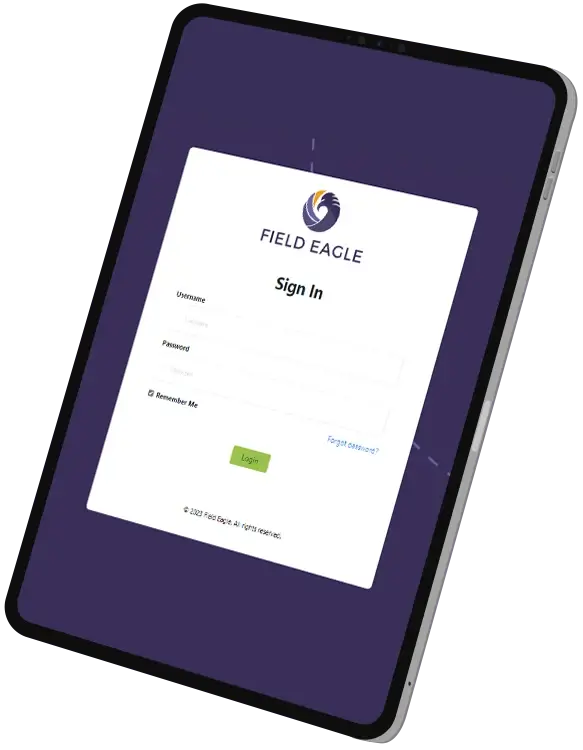
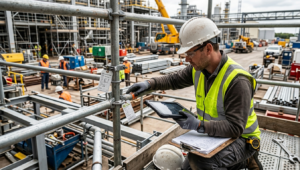
- Complete safety inspections in real time using a tablet
- Capture photos, comments, and form data directly on-site
- Generate reports with a single tap, enhancing construction inspection efficiency
- Sync all data to a central dashboard for instant access
The Field Eagle team also provided hands-on setup, form customization, and training support to ensure a smooth transition.
The Results: Faster Inspections, Safer Sites
The company reported a 50% reduction in time spent on inspections and reporting. Additional improvements included:
- Elimination of travel time to re-enter data
- Standardized reporting for consistent safety reviews
- Greater visibility into site-wide trends and hazards, boosting construction inspection efficiency
With a faster and more responsive system in place, the safety team now uses inspection data to identify leading indicators and implement proactive safety measures.
Beyond Compliance: Supporting a Culture of Safety
The digital inspection system now plays a key role in helping the company:
- Continuously improve its Health & Safety Management System
- Monitor team compliance with Occupational Health & Safety regulations
- Protect employees, contractors, and the general public with timely interventions
Final Thoughts
Digitizing inspections isn’t just about saving time. It’s about empowering safety teams to act faster, make informed decisions, and reduce risk before it turns into an incident.
Because a safer site starts with smarter construction inspection efficiency.
Construction inspection efficiency refers to the speed, accuracy, and effectiveness of safety inspections conducted on construction sites. This efficiency is critical because:
Weekly and monthly safety inspections are required for regulatory compliance
Faster hazard identification enables immediate corrective actions
Reduced inspection time allows safety teams to conduct more frequent checks
Real-time reporting prevents delays in addressing safety issues
Standardized processes ensure consistent safety reviews across all sites
Efficient construction inspections help companies maintain compliance with Occupational Health & Safety regulations while protecting employees, contractors, and the general public.
Common barriers that reduce construction inspection efficiency include:
Paper-based forms that require manual completion and data transfer
Travel time between sites and offices for data entry into spreadsheets
Delayed reporting that postpones corrective action follow-up
Difficulty tracking trends across multiple construction sites
Limited visibility for off-site management and stakeholders
Manual data entry errors that compromise inspection accuracy
These manual processes create significant delays in safety responses and make it difficult to identify patterns or implement proactive safety measures.
Digital tools dramatically improve construction inspection efficiency through:
Real-time mobile inspections using tablets directly on construction sites
Integrated photo capture and commenting features for comprehensive documentation
Instant report generation with a single tap, eliminating manual compilation
Central dashboard synchronization for immediate data access by management
Standardized digital forms that ensure consistent inspection processes
Automated data collection that eliminates manual transfer and entry errors
These improvements can reduce total inspection time by up to 50% while improving data accuracy and response times.
Construction companies experience significant benefits from enhanced inspection efficiency:
50% reduction in inspection and reporting time through digital automation
Elimination of travel time for data entry and report compilation
Standardized reporting processes for consistent safety reviews
Greater visibility into site-wide trends and hazard patterns
Faster corrective action implementation through real-time reporting
Improved compliance tracking with Occupational Health & Safety regulations
Enhanced safety culture through more frequent and thorough inspections
These improvements help construction companies maintain higher safety standards while reducing administrative costs and inspection-related delays.
Improved construction inspection efficiency enables proactive safety management by:
Identifying leading indicators through faster data collection and analysis
Enabling trend analysis across multiple construction sites and time periods
Supporting continuous improvement of Health & Safety Management Systems
Facilitating timely interventions before incidents occur
Providing real-time visibility into safety performance for all stakeholders
Creating comprehensive audit trails for regulatory compliance and certification
Enabling predictive safety measures based on historical inspection data
This systematic approach transforms construction inspections from reactive compliance activities into proactive tools for preventing incidents and maintaining safer work environments.