Railway track inspections keep trains running safely. Every day, railway operators face the challenge of maintaining thousands of miles of track while meeting strict safety regulations. The stakes are high. A single missed defect can lead to derailments, injuries, and massive financial losses.
Modern railway inspection software has changed how operators approach this critical task. Digital tools replace outdated paper processes, giving inspection teams the ability to work faster and document findings with greater accuracy.
The Critical Role of Railway Track Inspections
Track failures don’t announce themselves in advance. Rails crack internally where inspectors cannot see them. Fasteners loosen gradually over time. Ballast shifts and settles. Ties rot from the inside out.
Regular railway track inspections catch these problems before they cause failures. Inspection programs serve as the first line of defense against accidents. They protect passengers, crew members, and cargo while preventing service disruptions that cost operators money and damage reputations.
Weather adds another layer of complexity. Extreme heat causes rail buckling. Freezing temperatures make materials brittle. Heavy rainfall undermines track foundations. Seasonal inspection programs must account for these changing conditions and their effects on track components.
Key Components Examined During Railway Track Inspections
Inspectors evaluate multiple elements during each railway track inspection:
Rails: The primary load-bearing component requires careful examination. Inspectors look for surface defects, internal cracks, wear patterns, and signs of metal fatigue. Rail condition directly impacts safety and ride quality.
Ties: These supports distribute loads from rails to the ballast below. Wood ties can rot, crack, or split. Concrete ties may develop cracks or lose their structural integrity. Inspectors assess tie condition and spacing to ensure proper support.
Fasteners: Spikes, clips, bolts, and other fastening systems hold rails to ties. These components can loosen, break, or corrode. Missing or damaged fasteners compromise track stability and must be identified quickly.
Ballast: This crushed stone foundation provides drainage and distributes loads. Inspectors check for proper depth, contamination, and settlement. Poor ballast condition affects track geometry and drainage.
Track Geometry: Alignment, gauge, elevation, and cross-level must stay within specifications. Geometry problems cause rough rides, accelerate wear, and can lead to derailments if left uncorrected.
Switches and Crossings: These complex assemblies allow trains to change tracks. They contain numerous moving parts and wear points that require detailed inspection and frequent maintenance.
Railway Inspection Software: Transforming Track Management
Paper-based inspection processes create problems. Forms get damaged in the field. Handwriting becomes illegible. Data entry takes hours. Reports sit on desks waiting for review while defects remain unaddressed.
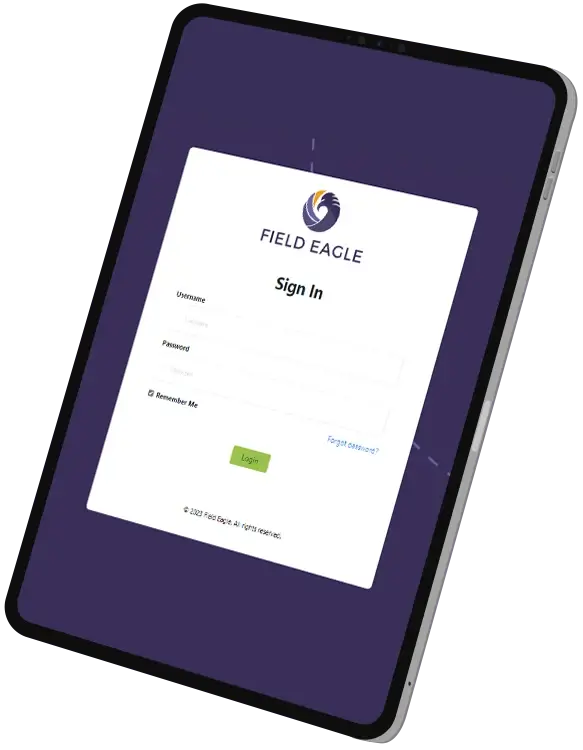
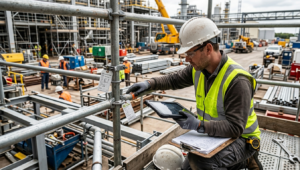
Railway inspection software eliminates these bottlenecks. Inspectors carry mobile devices into the field and complete digital forms on the spot. The software guides them through each inspection point, ensuring nothing gets overlooked.
Photos attach directly to defect records. An inspector finds a cracked rail and takes a picture. That image links automatically to the location, timestamp, and defect description. No separate photo management system required. No confusion about which picture shows which problem.
GPS technology pinpoints exact locations. Instead of writing “approximately 200 feet east of milepost 47,” the software records precise coordinates. Maintenance crews can navigate directly to the problem without searching.
Benefits of Railway Track Inspection Software
Organizations that implement railway track inspection software see immediate improvements in multiple areas.
Speed: Inspectors cover ground faster when they’re not wrestling with clipboards and paper forms. One transit authority reported inspecting 40% additional track miles per shift after going digital. That means the same crew examines more infrastructure in the same amount of time.
Accuracy: Digital forms prevent incomplete inspections. The software won’t let inspectors skip required fields or submit reports with missing information. This enforced completeness ensures consistent, thorough inspections across all personnel.
Visibility: Supervisors see inspection results in real-time rather than waiting for end-of-shift paperwork. When an inspector flags a critical defect, notifications go out immediately. Maintenance teams can respond within minutes instead of hours or days.
Compliance: Regulatory agencies require detailed inspection records. Railway track inspection software maintains these records automatically with timestamps, inspector identification, and complete documentation. Audit preparation changes from days of file searching to minutes of report generation.
Data Analysis: Historical data reveals patterns that paper records hide. Which track sections develop problems repeatedly? How long do different component types last in various conditions? What defect types appear most frequently? Railway inspection software answers these questions, enabling smarter maintenance planning.
Essential Features of Railway Track Inspection Software
Not every software solution delivers the same capabilities. Railway operators should evaluate potential systems carefully.
Offline Operation: Track inspections happen in remote locations. Cellular coverage is unreliable or nonexistent in many areas. The software must work fully offline, storing data locally and syncing when connectivity returns. Inspectors cannot afford to lose a day’s work because they couldn’t get a signal.
Customizable Forms: Every railway has unique inspection requirements. Track classes, component types, defect categories, and reporting needs vary. The software should accommodate these differences through customizable forms that match specific operational needs.
Photo and Video Capture: Visual documentation provides evidence that text descriptions cannot match. The software should make capturing, storing, and retrieving images straightforward. Some systems support video recording for documenting complex conditions.
Integration Capabilities: Railway track inspection software needs to connect with other systems. Maintenance management platforms, asset databases, and enterprise resource planning software all benefit from inspection data. Seamless integration prevents data silos and duplicate entry.
Rugged Hardware Support: Field conditions are harsh. Devices face rain, dust, extreme temperatures, and occasional drops. The software should run on rugged tablets and smartphones designed for industrial environments.
User-Friendly Interface: Inspectors spend their days examining track, not learning complicated software. The interface must be intuitive with large buttons, clear labels, and logical workflows. If the system is difficult to use, adoption will fail.
Implementing Railway Track Inspection Software Successfully
Technology alone doesn’t guarantee success. Implementation requires planning and attention to organizational change.
Start by involving inspectors in the selection process. They’re the ones who will use the system daily. Their input on features, interface design, and workflow ensures you choose software that actually meets field needs rather than what looks good in a sales demo.
Pilot programs reduce risk. Select a small group of inspectors and a limited section of track for initial deployment. Work through configuration issues, refine training materials, and gather feedback before rolling out system-wide. Early adopters become advocates who help convince skeptical colleagues.
Training must be hands-on and realistic. Classroom presentations about software features don’t prepare inspectors for actual field use. Take devices into the field. Let people practice completing real inspections under realistic conditions. Provide reference materials they can consult when questions arise.
Support doesn’t end after initial training. Designate experienced users as resources for their colleagues. Establish clear channels for reporting problems and requesting help. Quick responses to issues prevent frustration from undermining adoption.
Railway Track Inspections and Predictive Maintenance
Railway inspection software enables a shift from reactive to predictive maintenance strategies. Paper records make trend analysis difficult. Digital data makes it straightforward.
Track sections that consistently develop problems become visible in the data. Maybe a particular curve always shows excessive wear. Perhaps ties in a specific area deteriorate faster than elsewhere. This information guides targeted interventions that address root causes rather than repeatedly fixing symptoms.
Component life cycles become clearer. How long do rails last under heavy freight traffic versus light passenger service? When should ties be replaced based on installation date and environmental exposure? Data-driven answers to these questions improve replacement scheduling and budget forecasting.
Predictive models can forecast when components will reach end of life. Instead of waiting for failures, maintenance teams intervene based on condition trends. This approach reduces emergency repairs, extends asset life, and improves safety.
Regulatory Compliance and Railway Track Inspections
Railway operators face extensive regulatory requirements. In the United States, the Federal Railroad Administration establishes inspection frequencies, procedures, and documentation standards. Other countries have similar regulatory frameworks.
Compliance requires meticulous record-keeping. Inspectors must document what they examined, when they examined it, what they found, and what actions were taken. Missing or incomplete records can result in violations, fines, and increased regulatory scrutiny.
Railway track inspection software simplifies compliance. Every inspection creates a timestamped record with inspector identification. Required data fields ensure complete documentation. Photos provide visual evidence of conditions and defects. When auditors request records, generating reports takes minutes instead of days.
Some railway inspection software includes built-in compliance checking. The system knows inspection frequency requirements for different track classes. It alerts managers when inspections are due or overdue. This proactive approach prevents compliance gaps before they occur.
Training Inspectors for Effective Railway Track Inspections
Technology supports inspectors but doesn’t replace their expertise. Effective railway track inspections require trained personnel who recognize defects and understand their implications.
Comprehensive training programs cover multiple areas. Inspectors need to understand track components, common defect types, failure mechanisms, and safety implications. They must know regulatory requirements and company standards. They need practical skills for examining components in various conditions.
Experienced inspectors develop intuition about track condition. They notice subtle signs that something isn’t right. A slight irregularity in rail alignment. An unusual wear pattern. These observations come from experience and cannot be programmed into software.
Ongoing education keeps skills current. New materials, construction techniques, and inspection technologies emerge regularly. Refresher training reinforces fundamentals and introduces new concepts. Peer learning sessions let inspectors share experiences and learn from each other.
The Economics of Railway Track Inspection Software
Digital transformation requires investment. Software licenses, mobile devices, training, and implementation support all cost money. Railway operators need to understand the return on this investment.
Labor efficiency provides immediate returns. When inspectors cover additional track miles per shift, you need fewer inspection crews or can examine infrastructure more frequently with existing staff. The productivity gains typically offset software costs within the first year.
Reduced paperwork saves administrative time. Staff who previously spent hours entering data from paper forms and filing reports can focus on higher-value activities. This hidden cost of paper processes often goes unrecognized until it disappears.
Faster defect response prevents small problems from becoming expensive failures. Catching a cracked rail early means a simple rail replacement. Missing it leads to a broken rail, potential derailment, service disruption, and emergency repairs costing exponentially more.
Better maintenance planning optimizes spending. Data-driven decisions about where to invest maintenance resources deliver better outcomes per dollar spent. You stop wasting money on unnecessary work while ensuring critical needs get addressed.
Regulatory compliance avoids fines and penalties. Violations can cost thousands or millions of dollars depending on severity. The documentation capabilities of railway track inspection software provide insurance against compliance failures.
Integration with Other Railway Systems
Railway track inspection software works best when it connects to other operational systems. Standalone tools create information silos that limit value.
Maintenance management systems benefit from inspection data. When an inspector identifies a defect, the railway inspection software can automatically create a work order in the maintenance system. This eliminates manual data transfer and ensures defects get scheduled for repair.
Asset management databases track component installation dates, maintenance history, and replacement schedules. Inspection findings feed into these records, creating comprehensive asset histories that inform lifecycle management decisions.
Geographic information systems (GIS) provide spatial context for inspection data. Mapping defect locations reveals geographic patterns. Are problems concentrated in specific areas? Do environmental factors correlate with certain defect types? GIS integration enables this spatial analysis.
Enterprise resource planning (ERP) systems manage budgets, procurement, and financial reporting. Inspection data informs budget forecasts and justifies capital investments. Integration eliminates manual reporting and ensures financial systems reflect operational realities.
Future Trends in Railway Track Inspections
Technology continues advancing railway track inspection capabilities. Several emerging trends will shape the future of track management.
Artificial intelligence analyzes inspection data to identify patterns humans might miss. Machine learning algorithms can predict which track sections are likely to develop problems based on historical patterns, usage levels, and environmental factors.
Automated inspection systems reduce the need for personnel to walk tracks in dangerous conditions. Track geometry cars already collect detailed measurements at operational speeds. Newer systems add visual inspection capabilities using high-resolution cameras and computer vision.
Drones offer another inspection option. Unmanned aerial vehicles can survey track corridors, identifying vegetation encroachment, drainage problems, and other issues visible from above. While they cannot replace detailed track inspections, they provide valuable supplementary information.
Sensor networks embedded in track infrastructure provide continuous monitoring. Smart sensors detect temperature, vibration, and strain in real-time. This constant data stream complements periodic inspections by alerting operators to developing problems between scheduled examinations.
Conclusion
Railway track inspections protect lives and keep trains running. The transition from paper processes to railway track inspection software represents a fundamental improvement in how operators manage this critical function.
Digital tools eliminate paperwork delays, improve data accuracy, and enable faster response to defects. Railway inspection software provides visibility into track conditions that paper systems cannot match. Organizations gain the ability to analyze trends, predict problems, and optimize maintenance resources.
Successful implementation requires selecting appropriate software, training personnel thoroughly, and managing organizational change effectively. The investment delivers returns through improved efficiency, better compliance, and reduced failure costs.
As railway networks age and traffic demands increase, systematic inspection programs become increasingly vital. Railway track inspection software positions operators to meet these challenges while improving safety outcomes and operational performance. The technology transforms inspections from a compliance obligation into a strategic capability that drives better decision-making across the organization.
FAQs
Railway track inspections are critical for ensuring safe and reliable rail operations. Tracks experience constant stress from train loads, weather changes, and ongoing use, which can lead to wear, cracks, loose fasteners, ballast deterioration, and geometry issues. Regular inspections help detect these defects early before they escalate into derailments, service disruptions, or costly repairs. They also support regulatory compliance and help railway operators maintain operational efficiency and passenger safety.
During railway track inspections, inspectors examine several key components, including rails, ties, fasteners, ballast, track geometry, and switches or crossings. Rails are checked for cracks, wear, and metal fatigue. Ties are assessed for structural damage or decay. Fasteners are inspected for looseness or corrosion. Ballast is evaluated for stability and drainage effectiveness. Inspectors also verify track alignment, gauge, and elevation to ensure compliance with safety standards and smooth train operation.
Railway inspection software digitizes the inspection process, replacing paper-based forms with mobile tools that improve speed, accuracy, and visibility. Inspectors can document findings in real time, attach photos, capture GPS locations, and submit reports instantly from the field. Supervisors receive immediate updates on critical defects, enabling faster maintenance responses. The software also centralizes records, improves compliance tracking, and helps identify long-term maintenance trends through data analysis.
Effective railway track inspection software should include offline functionality for remote areas, customizable inspection forms, GPS tracking, photo and video capture, mobile-friendly interfaces, and integration with maintenance management systems. Offline access is especially important because inspections often occur in locations with limited connectivity. Customizable workflows ensure the software aligns with specific railway requirements, while integration capabilities help streamline maintenance planning and regulatory reporting.
Railway inspection software helps organizations shift from reactive maintenance to predictive maintenance by storing structured historical inspection data. Over time, operators can identify recurring defects, monitor asset performance, and detect patterns in track deterioration. This enables maintenance teams to intervene before failures occur, reducing emergency repairs, extending asset lifespan, improving budget forecasting, and ensuring safer, more reliable railway operations.