Railroad track inspections form the backbone of safe rail operations. Thousands of miles of track support freight and passenger services daily. Maintaining track integrity through systematic railroad inspections protects lives, cargo, and infrastructure investments while meeting regulatory requirements.
Why Railroad Track Inspections Matter
The consequences of inadequate track maintenance can be catastrophic. Departments such as the FRA (Federal Railroad Administration) have been set up just to prevent such catastrophes by examining rail tracks. Derailments and service disruptions often trace back to undetected track defects. Regular railroad track inspections identify potential problems before they escalate into dangerous situations.
Rail networks face constant stress. Heavy loads, weather extremes, and continuous use take their toll. Track components gradually deteriorate over time, including rails, ties, fasteners, ballast, and switches. Systematic inspections catch these issues early. Maintenance teams can address problems proactively, which minimizes costly downtime and ensures continuous safe operations.
Types of Railroad Track Inspections
Visual Inspections
Visual inspections form the foundation of track maintenance programs. Inspectors walk or ride along tracks, examining components for visible defects. They look for broken rails, damaged ties, loose fasteners, ballast deterioration, and vegetation encroachment. These inspections remain essential for identifying obvious problems and assessing overall track condition.
Ultrasonic Testing
Ultrasonic testing detects internal rail defects invisible to the naked eye. This non-destructive testing method uses sound waves to identify cracks, voids, and other structural weaknesses within the rail itself. Early detection of internal defects prevents catastrophic rail failures that could lead to derailments.
Geometry Inspections
Track geometry inspections measure alignment, gauge, elevation, and cross-level to ensure tracks meet safety standards. Specialized geometry cars equipped with advanced sensors travel at operational speeds. They collect precise measurements that identify deviations requiring correction.
Ground Penetrating Radar
Ground penetrating radar technology assesses the condition of ballast and substructure beneath the track surface. This inspection method reveals hidden problems like ballast fouling, voids, and drainage issues that compromise track stability.
Common Track Defects Found During Railroad Inspections
Railroad track inspections regularly uncover several recurring defect types:
- Rail Defects: Broken rails, rail cracks, corrugation, and wear patterns that weaken structural integrity
- Tie Problems: Cracked, rotted, or broken ties that fail to properly support rails
- Fastener Issues: Loose, missing, or damaged spikes, clips, and bolts that compromise rail attachment
- Ballast Deterioration: Fouled, insufficient, or improperly distributed ballast affecting drainage and stability
- Geometry Deviations: Track misalignment, improper gauge, or surface irregularities exceeding tolerances
- Switch and Crossing Defects: Worn components, improper alignment, or mechanical failures in critical track infrastructure
Inspection Frequency and Regulatory Requirements
The Federal Railroad Administration (FRA) establishes minimum inspection frequencies based on track class and usage. Higher-speed passenger lines require frequent inspections. Low-speed freight branches have different requirements.
Class 1 track (10 mph freight, 15 mph passenger) requires weekly inspections. Class 5 track (80 mph freight, 90 mph passenger) demands twice-weekly inspections. Many rail operators implement rigorous inspection schedules beyond regulatory minimums. They base these schedules on traffic density, environmental conditions, and historical performance data. Proactive railroad inspection programs reduce risk and improve operational reliability.
Railroad Track Inspection Software: The Digital Transformation
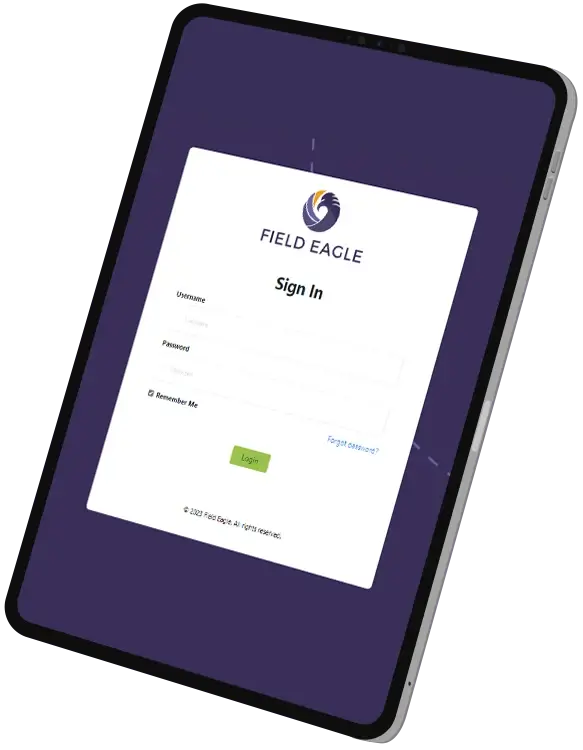
Traditional paper-based inspection methods are giving way to digital solutions. Railroad track inspection software enhances accuracy, efficiency, and data management. Modern railroad inspections leverage mobile technology and digital asset management systems to revolutionize how rail operators maintain their infrastructure.
Benefits of Railroad Inspection Software
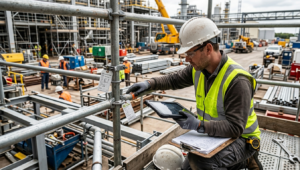
Real-Time Data Collection: Inspectors use mobile devices to record findings instantly in the field. This eliminates transcription errors and delays associated with paper forms. Photos, GPS coordinates, and detailed defect descriptions are captured at the point of discovery.
Instant Reporting: Railroad inspection software generates inspection reports immediately upon completion. This enables rapid decision-making. Maintenance supervisors receive notifications of critical defects requiring immediate attention, which accelerates response times.
Centralized Data Management: All inspection records are stored in a centralized database accessible to authorized personnel. This eliminates lost paperwork. It creates a comprehensive historical record for trend analysis and regulatory compliance.
Improved Accountability: Digital systems track who performed inspections, when they occurred, and what was found. This audit trail ensures compliance with inspection schedules. It provides documentation for regulatory reviews.
Trend Analysis and Predictive Maintenance: Accumulated inspection data reveals patterns that inform predictive rail maintenance strategies. Identifying sections with recurring problems allows targeted interventions before failures occur.
Implementing Railroad Track Inspection Software
Transitioning from paper to digital railroad track inspections requires selecting systems designed for field conditions. Mobile inspection applications must function reliably in remote areas with limited connectivity. They need to withstand harsh environmental conditions and integrate seamlessly with existing maintenance management systems.
Customizable inspection forms ensure digital systems accommodate specific railroad requirements, track classes, and regulatory standards. Flexibility to adapt forms as needs evolve prevents system obsolescence. This maximizes long-term value for rail maintenance operations.
Best Practices for Effective Railroad Track Inspections
Train Inspectors Thoroughly: Comprehensive training programs ensure inspectors recognize defects accurately and understand their significance. Regular refresher training keeps skills sharp and introduces new inspection techniques.
Follow Consistent Procedures: Standardized inspection protocols ensure consistency across different inspectors and locations. Documented procedures provide clear guidance and support quality control.
Prioritize Critical Areas: Focus additional attention on high-risk locations. Curves, grades, bridges, and high-traffic sections deserve extra scrutiny because defects are likely in these areas and consequences can be severe.
Document Everything: Thorough documentation supports rail maintenance planning, regulatory compliance, and legal protection. Railroad inspection software makes comprehensive documentation practical and sustainable.
Act on Findings Promptly: Inspection programs only deliver value when findings trigger appropriate action. Establish clear protocols for prioritizing and addressing identified defects based on severity.
Review and Analyze Data: Regularly review inspection data to identify trends, assess program effectiveness, and refine rail maintenance strategies. Data-driven decisions optimize resource allocation and improve safety outcomes.
Rail Maintenance in the Modern Era
Emerging technologies continue advancing railroad track inspection capabilities. Artificial intelligence and machine learning analyze inspection data to predict failures with increasing accuracy. Drones and autonomous inspection vehicles reduce the need for personnel to work in dangerous track environments. Advanced sensors provide detailed condition assessments that were impossible a decade ago.
The fundamental principle remains unchanged. Regular, thorough railroad track inspections are essential for safe, reliable rail operations. Digital tools enhance human capabilities rather than replace them. They empower inspectors to work efficiently and effectively.
How Railroad Inspection Software Supports Rail Maintenance
Railroad track inspection software transforms how organizations approach rail maintenance. Paper-based processes create bottlenecks. Forms get lost. Data entry errors occur. Reports take days to compile. These delays can mean the difference between catching a defect early and dealing with a major failure.
Digital solutions eliminate these problems. Inspectors complete forms on mobile devices in the field. The software validates entries in real-time, preventing incomplete or inaccurate data. Photos attach directly to specific defect records. GPS coordinates pinpoint exact locations automatically.
When an inspector submits a report, it becomes immediately available to maintenance planners and supervisors. Critical defects trigger automatic notifications. Work orders can be generated on the spot. The entire process accelerates from hours or days down to minutes.
Choosing the Right Railroad Track Inspection Software
Not all railroad inspection software solutions are created equal. Rail operators need systems that work in their specific environment. Consider these factors when evaluating options:
Offline Functionality: Track inspections often occur in remote areas without cellular coverage. The software must function fully offline and sync data when connectivity returns.
Customization: Every railroad has unique requirements. The software should allow custom inspection forms, defect categories, and reporting formats without requiring expensive development work.
Mobile-First Design: Inspectors work in the field, not at desks. The interface must be intuitive on mobile devices, with large buttons and simple navigation that works with gloves on.
Integration Capabilities: Railroad track inspection software should connect with existing maintenance management systems, asset databases, and other enterprise software to avoid data silos.
Compliance Support: The system should help document compliance with FRA regulations and other requirements, making audits straightforward rather than stressful.
The Business Case for Railroad Inspection Software
Investing in railroad track inspection software delivers measurable returns. Organizations that make the transition see multiple benefits:
Inspector productivity increases because they spend time inspecting rather than filling out paperwork.
Data quality improves dramatically. Digital forms prevent incomplete entries. Photo documentation provides visual evidence that paper forms cannot match. GPS coordinates eliminate location ambiguity.
Response times to critical defects decrease. When supervisors receive instant notifications of serious problems, they can dispatch repair crews immediately rather than waiting for end-of-day reports.
Regulatory compliance becomes straightforward. All inspection records are stored digitally with timestamps and inspector identification. Generating compliance reports for audits takes minutes instead of days of searching through file cabinets.
Rail Maintenance Planning with Better Data
Railroad inspection software does something paper systems cannot. It accumulates data over time in a structured, searchable format. This historical data becomes invaluable for rail maintenance planning.
Maintenance managers can identify track sections that consistently develop problems. They can spot patterns that indicate underlying issues requiring major intervention rather than repeated minor repairs. They can track how long different components last in various conditions, which improves replacement scheduling and budget forecasting.
Some organizations use this data to shift from reactive to predictive rail maintenance. Instead of waiting for failures, they intervene based on condition trends. This approach reduces emergency repairs, extends asset life, and improves safety.
Training and Change Management
Implementing railroad track inspection software requires attention to the human side of change. Inspectors who have used paper forms for years may resist new technology. Success requires proper training and change management.
Start with a pilot program involving a small group of inspectors. Work out any issues with the software configuration or training approach. These early adopters can become champions who help train and encourage their colleagues.
Emphasize how the software makes inspectors’ jobs easier rather than adding burden. Show them how they will spend less time on paperwork and have better tools to document what they find. Address concerns openly and incorporate feedback into the implementation process.
Provide hands-on training in realistic conditions. Let inspectors practice using the software in the field before they rely on it for actual inspections. Offer ongoing support during the transition period so people have help when they encounter questions or problems.
Conclusion
Railroad track inspections represent a critical investment in safety, reliability, and operational efficiency. As rail networks face increasing demands and aging infrastructure, systematic inspection programs become vital.
Railroad track inspection software positions rail operators to meet these challenges. It improves data quality, accelerates response times, and optimizes rail maintenance resources. The transition from paper-based processes to digital asset management systems transforms railroad inspections from a compliance obligation into a strategic advantage.
Organizations that modernize their inspection programs gain better visibility into infrastructure condition. They make informed rail maintenance decisions. They operate safer, more reliable rail networks.
Whether managing a short line railroad or an extensive freight network, investing in comprehensive railroad track inspection programs protects valuable assets. Modern railroad inspection software supports these programs by eliminating paperwork delays, improving data accuracy, and enabling faster response to critical defects. The result is better safety outcomes, reduced costs, and improved operational performance across the entire rail network.
FAQs
Railroad track inspections are essential for maintaining safe and reliable rail operations. Tracks endure constant stress from heavy loads, weather conditions, and continuous use, which can lead to wear and structural defects over time. Regular inspections help identify issues such as rail cracks, loose fasteners, ballast deterioration, and alignment problems before they escalate into derailments or service disruptions. Inspections also ensure compliance with safety regulations and help rail operators reduce maintenance costs through early intervention.
Inspection frequency depends on track classification, traffic volume, and regulatory requirements. In the United States, the Federal Railroad Administration (FRA) sets minimum standards. For example, Class 1 tracks require weekly inspections, while higher-speed Class 5 tracks require inspections twice per week. Many rail operators go beyond minimum requirements by implementing more frequent inspections in high-risk areas such as curves, bridges, and heavily trafficked routes to improve safety and reliability.
Railroad track inspection software improves efficiency, accuracy, and data management by replacing paper-based processes with digital tools. Inspectors can capture findings in real time using mobile devices, attach photos, record GPS locations, and submit reports instantly. This enables faster response to critical defects, improves regulatory compliance, centralizes inspection records, and supports predictive maintenance through trend analysis. Digital systems also reduce paperwork and minimize human error.
Common defects identified during railroad track inspections include broken or cracked rails, worn ties, loose or damaged fasteners, ballast deterioration, geometry deviations such as poor alignment or gauge issues, and defects in switches or crossings. Detecting these issues early helps maintenance teams prevent larger failures, reduce operational disruptions, and maintain safe rail infrastructure.
Railroad inspection software provides structured historical data that helps maintenance teams make informed decisions. By tracking recurring defects, analyzing inspection trends, and monitoring asset conditions over time, organizations can move from reactive repairs to predictive maintenance strategies. This improves resource allocation, reduces emergency repair costs, extends asset lifespan, and ensures maintenance activities are prioritized based on actual infrastructure conditions rather than assumptions.