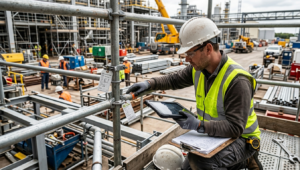
Creating a strong safety culture isn’t just about policies—it’s about people. In industries like mining, oil & gas, manufacturing, and heavy equipment, your frontline workers are the first line of defence against risk. But without a culture of inspection accountability, even the best systems can fall short.
So how do you make inspection ownership part of your team’s mindset? Start by building a culture that emphasizes accountability for inspections.
Why Accountability Matters
When field teams see inspections as “just paperwork,” they miss the bigger picture. Inspections aren’t chores—they’re safety lifelines. Therefore, accountability for inspection documents is key.
Without accountability, companies often face:
- Incomplete checklists
- Delayed reporting of hazards
- Repeated mistakes in the field
- Compliance gaps during audits
With accountability, you get:
- Safer work environments
- Faster issue resolution
- Cleaner inspection data
- Stronger performance overall
Step 1: Set Clear Expectations
Make it easy for every worker to understand:
- What inspections they’re responsible for
- How often they should be completed
- What to do when something’s wrong
To promote inspection accountability, use standardized digital checklists with required fields and real-time submission so there’s no guesswork.
Step 2: Make It Visible and Measurable
Use inspection software to track:
- Who completed each inspection
- Time stamps and locations
- Outstanding or missed tasks
Public dashboards or weekly safety meetings can showcase great performance and hold teams accountable without assigning blame. This transparency in inspection processes enhances accountability.
Step 3: Link Accountability to Outcomes
Don’t let inspections disappear into a data black hole. Show your team how their actions prevent injuries, reduce downtime, or catch issues before they get expensive. This approach strengthens inspection accountability.
Consider sharing examples of how past inspections led to improved safety or avoided costly shutdowns.
Step 4: Train and Empower
Give your team the knowledge and tools to do inspections right. This means:
- Proper training on inspection procedures
- Hands-on demos using mobile devices
- Support when raising issues or flagging unsafe practices
Training ensures your team is equipped to maintain inspection accountability.
Step 5: Recognize and Reinforce
Celebrate individuals or teams who go above and beyond. Even small shout-outs during team meetings or dashboards can make accountability part of your daily routine. Achieving accountability in inspections should be recognized.
Over time, it becomes a habit—not just a requirement.
Final Thoughts
Accountability isn’t about punishment. It’s about empowering your field teams to own their role in keeping the site safe and productive. With digital tools, real-time data, and the right mindset, inspections become something everyone takes seriously, ensuring accountability throughout the process.
Because when everyone owns it, everyone wins.
Inspection accountability is the practice of ensuring field team members take personal ownership and responsibility for completing thorough, accurate inspections as part of their safety culture. It’s critical because:
Prevents incomplete checklists that can miss critical safety hazards
Reduces delayed reporting of dangerous conditions that could cause injuries
Eliminates repeated mistakes through consistent inspection standards
Closes compliance gaps during regulatory audits and safety reviews
Creates safer work environments where everyone takes responsibility for safety
Without inspection accountability, teams often view inspections as “just paperwork” rather than essential safety lifelines that protect workers and operations.
Companies without inspection accountability typically encounter:
Incomplete inspection checklists with missing critical safety information
Delayed hazard reporting that allows dangerous conditions to persist
Repeated field mistakes due to lack of learning from previous inspections
Compliance gaps during audits that can result in regulatory penalties
Poor safety culture where workers don’t understand their role in risk prevention
Increased incident rates from unidentified or unreported safety hazards
These challenges create environments where safety becomes reactive rather than proactive, leading to higher injury risks and operational disruptions.
Digital tools enhance inspection accountability through:
Standardized checklists with required fields preventing incomplete submissions
Real-time tracking of who completed each inspection with timestamps and locations
Automated alerts for outstanding or missed inspection tasks
Public dashboards that showcase performance and maintain accountability without blame
Mobile accessibility enabling immediate inspection completion and submission
Audit trails that document inspection history and corrective actions
These features make it impossible to skip steps or submit incomplete inspections while providing visibility into team performance and safety compliance.
Building inspection accountability requires a systematic approach:
Set clear expectations about inspection responsibilities, frequency, and procedures
Make performance visible through tracking dashboards and regular safety meetings
Link accountability to outcomes by showing how inspections prevent injuries and reduce costs
Provide proper training on inspection procedures and mobile device usage
Recognize and reinforce good performance through team meetings and public recognition
Empower workers to raise safety concerns and flag unsafe practices without fear
This comprehensive approach transforms inspection accountability from a requirement into a valued part of daily operations.
Inspection accountability drives safety and productivity improvements by:
Creating proactive safety cultures where everyone owns their role in risk prevention
Enabling faster issue resolution through immediate reporting and response
Improving data quality for better decision-making and trend analysis
Reducing equipment downtime through early identification of maintenance needs
Preventing costly incidents by catching problems before they escalate
Building team confidence through proper training and empowerment
Strengthening overall performance across safety, compliance, and operational metrics
When field teams understand that their inspection accountability directly impacts workplace safety and operational success, inspections become something everyone takes seriously, creating environments where everyone wins through shared responsibility and improved outcomes.