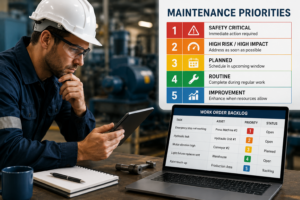
An EHS report records an environmental, health, or safety incident, hazard, near miss, observation, or inspection finding. It explains what happened, where and when the event occurred, who or what it affected, what evidence the reporter collected, and what follow-up action the organization requires.
Most importantly, an EHS report creates a traceable record. Teams can follow an issue from its discovery through investigation, corrective action, verification, and closure.
What Does EHS Stand For?
EHS stands for Environment, Health, and Safety. Organizations use EHS programs to protect employees, contractors, the public, property, equipment, and the environment.
Environmental reporting covers spills, releases, emissions, waste-handling problems, and other events that could affect the environment.
Meanwhile, health reporting covers occupational illnesses, exposure concerns, ergonomic risks, and workplace conditions that may affect employee wellbeing.
Safety reporting covers injuries, near misses, unsafe conditions, equipment hazards, property damage, and inspection findings. Together, these three areas give organizations a structured way to identify and control workplace risks.
What Should an EHS Report Include?
A complete EHS report should provide enough information for managers to understand the event, assess its seriousness, assign follow-up work, and confirm its resolution.
Typically, an EHS report includes:
- Date, time, and location
- Name of the person submitting the report
- People, assets, equipment, or environmental areas involved
- Type of incident, hazard, or finding
- Clear description of what happened
- Photos, videos, measurements, and supporting documents
- Witness information
- Immediate actions taken
- Severity or risk classification
- Contributing factors and root cause
- Corrective and preventive actions
- Action owners and due dates
- Evidence of completed corrective actions
- Management approval and closure status
However, each organization may require different information based on its industry, location, and regulatory obligations. Therefore, standardized EHS reporting forms help teams collect consistent information and avoid important omissions.
What Types of Events Require an EHS Report?
Organizations should not limit EHS reporting to serious injuries. Instead, teams can use EHS reports to document any event, observation, or finding that may affect environmental, health, or safety performance.
Workplace Injuries and Illnesses
An EHS report can document an injury, occupational illness, exposure, or other event involving an employee or contractor. The report should explain what happened, how the team responded, and what follow-up action the event requires.
Near Misses
A near miss does not cause an injury or damage, but it could have caused harm under slightly different circumstances. For this reason, near-miss reporting helps organizations identify and address risks before a more serious incident occurs.
Unsafe Conditions and Behaviours
Employees and inspectors can report damaged equipment, missing guards, blocked emergency exits, unsafe work practices, inadequate personal protective equipment, and similar hazards. As a result, managers can assign action before the condition leads to an incident.
Environmental Events
Environmental EHS reports may cover spills, leaks, releases, waste-management problems, or permit deviations. In addition, they can document the containment, cleanup, investigation, and preventive measures that follow the event.
Property and Equipment Damage
Damage to equipment, vehicles, facilities, or infrastructure may indicate a larger operational or safety problem. Therefore, an EHS report should connect the damage with its cause, supporting evidence, and required repair.
Inspection and Audit Findings
Safety inspections and compliance audits often uncover deficiencies that require corrective action. An EHS report can connect each finding with photos, notes, an assigned owner, a due date, and completion evidence.
Security Events
Some organizations also use EHS reports to document unauthorized access, workplace violence, theft, vandalism, and other security concerns.
However, an internal EHS report does not automatically meet every external reporting requirement. Regulatory obligations depend on the event, industry, location, and applicable regulations.
Why EHS Reporting Matters
Consistent EHS reporting gives managers reliable information about hazards, incidents, inspections, and corrective actions across the organization.
In particular, an effective reporting process helps teams:
- Respond to incidents and hazards faster
- Preserve photos, measurements, statements, and other evidence
- Assign responsibility for corrective actions
- Track open, overdue, and completed actions
- Identify recurring hazards and failure patterns
- Compare performance across locations and reporting periods
- Maintain records for audits and regulatory reviews
- Improve communication between field teams and management
However, completing the form does not resolve the underlying risk. The real value comes from investigating the event, acting on the findings, and confirming that the corrective action worked.
How to Create an EHS Report
1. Record the Event Promptly
First, create the report as soon as possible after the incident, observation, or inspection finding. Prompt reporting helps the team capture accurate information while the details remain fresh.
2. Describe What Happened
Next, provide a clear and factual account of the event. Explain what happened before, during, and immediately after it. At the same time, avoid assumptions and focus on facts that the evidence supports.
3. Collect Supporting Evidence
Then, attach relevant photos, videos, measurements, witness statements, documents, and equipment records. Strong evidence gives managers the context they need to assess the event and plan the correct response.
4. Document the Immediate Response
Record every immediate measure the team took. For example, workers may provide first aid, isolate equipment, stop work, contain a spill, or restrict access to the affected area.
5. Evaluate the Severity and Risk
Afterward, classify the event according to your organization’s risk-assessment process. Consider both the actual result and the potential consequences if the event happens again.
6. Investigate Contributing Factors
Next, identify the conditions, decisions, equipment problems, procedural gaps, or training issues that contributed to the event. The investigation should help the organization prevent recurrence instead of simply assigning blame.
7. Assign Corrective Actions
Based on the investigation, create specific actions that address the identified causes and risks. Assign each action to an owner and set a realistic due date.
8. Verify Completion
Finally, review the completion evidence before closing the report. Do not rely only on a completed status. Instead, confirm that the corrective action addressed the original issue and reduced the risk.
How Digital EHS Reporting Works
Digital EHS reporting replaces disconnected paper forms, emails, and spreadsheets with one standardized process.
First, employees and inspectors record incidents, hazards, and findings directly in the field. They can enter details, take photos, attach documents, and record immediate actions while the information remains current.
Next, the system stores the submitted report in a centralized location. Managers can then review the event, assign corrective actions, monitor due dates, and follow progress.
Finally, the organization can review the evidence and close the report after the responsible team completes the required work. The system also preserves the full reporting history for future reference.
As a result, managers can retrieve previous reports, identify recurring issues, compare locations, and prepare documentation more efficiently.
Conclusion
A useful EHS report does more than confirm that an event occurred. It preserves the evidence, context, responsibilities, and follow-up history that teams need to understand the event and prevent it from happening again.
Ultimately, standardized EHS reporting helps organizations respond faster, create more complete records, track corrective actions, and retrieve documentation for management or regulatory review.
Frequently Asked Questions
What is EHS reporting in the workplace?
EHS reporting is the process of documenting environmental, health, and safety incidents, hazards, near misses, observations, inspection findings, and corrective actions. It gives organizations a consistent record of workplace risks and how teams addressed them.
What is the purpose of an EHS report?
An EHS report documents what happened, preserves supporting evidence, evaluates the risk, assigns corrective actions, and confirms the issue’s resolution.
What information should an EHS report include?
An EHS report commonly includes the date, time, location, people or assets involved, event description, supporting evidence, immediate response, risk classification, contributing factors, corrective actions, owners, due dates, and closure verification.
Do organizations only use EHS reports after an injury?
No. Organizations also use EHS reports for near misses, unsafe conditions, environmental releases, equipment damage, safety observations, audit deficiencies, and inspection findings.
What is the difference between an EHS report and an incident report?
An incident report records the details of a specific event. In contrast, EHS reporting covers a broader range of information, including incidents, hazards, near misses, environmental events, observations, inspection findings, investigations, and corrective actions.
Can teams complete EHS reports offline?
Yes. Field Eagle allows field teams to record EHS information, capture photos, add notes, and document findings without an internet connection. Once connectivity returns, the system synchronizes the information with the centralized database.