In high-risk industries, field visibility is crucial because when something goes wrong, seconds matter. Whether it’s equipment failure, safety incidents, or environmental hazards, the ability to see what’s happening in the field—as it happens—can make the difference between a fast recovery and a costly crisis.
That’s why field visibility is no longer a nice-to-have. It’s essential.
What Is Field Visibility?
Field visibility means having real-time insight into field operations. This includes:
- The status of inspections, assets, and compliance
- Where issues are occurring and who is responding
- Up-to-the-minute data from remote or hard-to-reach sites
With the right tools, teams can view field conditions without being there physically.
Why Visibility Breaks Down
Lack of field visibility often stems from:
- Paper-based inspection systems
- Poor communication between teams
- Delayed data uploads or reporting gaps
- Multiple job sites with inconsistent workflows
When incidents happen, these barriers slow response and amplify risk.
How Real-Time Data Improves Crisis Response
When you know what’s happening, where, and when, you can:
- Dispatch the right personnel immediately
- Access inspection logs and equipment history on demand
- Monitor safety risks in evolving conditions
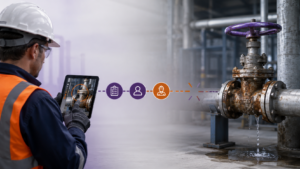
Example: A valve leak on a pipeline is flagged during a mobile inspection. A real-time alert goes to supervisors, who shut off pressure remotely and dispatch maintenance—all within minutes.
Tools That Improve Field Visibility
- Mobile Inspection Apps: Submit reports, photos, and location data instantly
- Cloud-Based Dashboards: See cross-site insights in one place
- Offline Syncing: Keep data flowing even in remote or low-signal areas
- Automated Alerts: Trigger actions based on field conditions or form responses
The Impact on Safety and Compliance
Real-time visibility leads to:
- Faster corrective actions
- Fewer missed inspections or compliance gaps
- Better resource coordination across teams
- Stronger documentation during audits or investigations
Final Thoughts
When field visibility is limited, response times lag and risks grow. But with the right digital tools, your team can stay informed, responsive, and prepared—even in the face of the unexpected.
Because the best way to manage what goes wrong is to see it before it gets worse.
Field visibility refers to having real-time insight into field operations, including:
– Status of inspections, assets, and compliance across all locations
– Location and response details for ongoing issues
– Up-to-the-minute data from remote or hard-to-reach sites
– Live monitoring of equipment and safety conditions
Field visibility is essential because it enables teams to see what’s happening in the field as it happens, allowing for immediate response to equipment failures, safety incidents, or environmental hazards before they escalate into costly crises.
Poor field visibility typically results from:
– Paper-based inspection systems that delay data availability
– Poor communication between teams across different locations
– Delayed data uploads or reporting gaps that create information blind spots
– Multiple job sites with inconsistent workflows that fragment visibility
– Lack of real-time monitoring tools for remote operations
These barriers slow emergency response times and amplify operational risks, making it difficult to coordinate effective crisis management.
Real-time data improves crisis response by enabling teams to:
– Dispatch the right personnel immediately based on current field conditions
– Access inspection logs and equipment history on demand for informed decision-making
– Monitor safety risks in evolving conditions with live updates
– Coordinate resources across multiple sites from a central location
– Trigger automated responses based on predefined conditions
For example, when a valve leak is detected during a mobile inspection, real-time alerts allow supervisors to shut off pressure remotely and dispatch maintenance within minutes, preventing escalation.
Key tools that improve field visibility include:
– Mobile inspection apps that submit reports, photos, and location data instantly
– Cloud-based dashboards that provide cross-site insights in one centralized location
– Offline syncing capabilities that maintain data flow in remote or low-signal areas
– Automated alert systems that trigger actions based on field conditions or form responses
– Real-time monitoring sensors that track equipment performance continuously
These digital tools enable teams to maintain visibility even in challenging environments and respond quickly to changing conditions.
Enhanced field visibility directly improves safety and compliance by:
– Enabling faster corrective actions when issues are identified
– Reducing missed inspections or compliance gaps through real-time tracking
– Improving resource coordination across teams for more effective responses
– Strengthening documentation for audits and investigations
– Preventing incidents from escalating through early detection and response
Real-time visibility ensures that safety protocols are followed consistently and compliance requirements are met across all field operations, reducing regulatory risks and protecting personnel.