
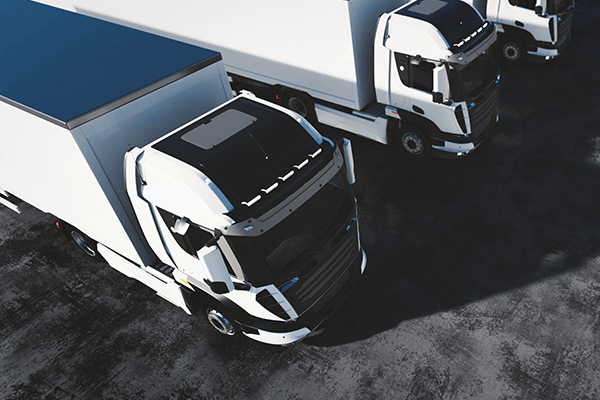
Take a moment to think about the vehicles in your organization’s fleet. Depending on your line of work, you might have envisioned full-size vans, pickup trucks, any all-terrain utility vehicles you use on the grounds, self-propelled snow blowers, or sales sedans. Perhaps you thought about semi-trailers or school buses.
Maintaining large fleets can take time and effort. Not only do all units have to be tracked, but they also all need regular maintenance. In addition, when on the road, fleets can be prone to causing safety violations; however, understanding the major safety violations can provide you with valuable information to avoid some of the significant Fleet Safety Violations.
Faulty brake systems
A nightmare scenario is a brake system failing when it’s most needed. Unfortunately, many large fleet vehicles take a lot of abuse driving on city streets, and that’s reflected in their brakes. More importantly, if there is some sort of accident, and your vehicle’s brakes are found to be faulty, even if it wasn’t your fault, you may still be on the hook to pay big money.
To prevent these types of incidents, the fleets should be comprehensive in their brake system inspections, examining specific components. Vehicle inspection can make staying on top of the inspection tasks as simple as following the right checklist.

Damaged tires
Tires should never be neglected. The safety of your vehicle depends on it. Your car’s brakes. Tires can become damaged for various reasons and can happen without the driver being immediately aware there’s a problem. The most common types of damage are punctures, cuts, impacts, cracks, bulges and irregular wear.
Having a tire safety inspection checklist is essential to ensure you are preventing the incident from the above damage types. When you get behind the wheel, especially to travel long distances, you should perform a quick safety check on your vehicle, including inspecting your tires.
Defective lights
The lights on your car, truck or SUV are of vital importance. They are one of the most crucial safety items, just like the brakes or steering system. A surprisingly easy to miss safety issue, but surprisingly a commonly missed one. The inspection of vehicle lighting begins with the periodic checking of operation.A walk around the vehicle before taking off should be part of every fleet. While inspecting your vehicle’s lights, we need to ensure that all of your lights are in good working condition. Not only do we look at headlights, but also high beams, emergency flashers, turn signals, side lights, brake lights, and backup lights.

How to Avoid Common Safety Violations
The best way to avoid all of the above issues is regular maintenance. Writing up a schedule and having a thorough list to examine every vehicle as it comes into the yard or as it leaves is necessary for the vehicle’s life and the safety of everyone involved. Maintenance is always going to be cheaper than potential repairs and any potential accidents involved.
By leveraging vehicle inspection, fleets can elevate their pre-and post-trip assessments, resulting in excellent driver safety and compliance. Moreover, using these forms and transferring them to the electronic version of the inspection; allows you to efficiently perform your vehicle checks and use real-time data in a few minutes. This will help operator and fleet managers to identify and predict the required maintenance, which leads to increased safety and compliance and reduced maintenance cost simultaneously.
The best way to keep your maintenance schedules in check is with Field Eagle. Our digital checklist and data collection tools make it easy and efficient to make certain that your fleet maintenance is completed correctly, the first time.
FAQs
The most common fleet safety violations include faulty brake systems, damaged or worn tires, and defective vehicle lights. These issues can significantly increase the risk of accidents, legal liability, and costly downtime if not addressed through regular inspections.
Brake system inspections are critical because brake failure can lead to severe accidents and legal consequences. Regular checks help identify worn components early, ensuring vehicles remain safe and compliant on the road.
Damaged tires can cause blowouts, reduced vehicle control, and longer stopping distances. Common issues include punctures, cracks, bulges, and uneven wear, all of which increase the risk of road accidents if not regularly inspected.
Fleet inspections should include headlights, high beams, brake lights, turn signals, emergency flashers, side lights, and reverse lights. Ensuring all lights function properly improves visibility and reduces the risk of accidents and compliance violations.
Fleets can reduce safety violations by implementing regular maintenance schedules, using detailed inspection checklists, and adopting digital fleet management tools. These practices help identify issues early, improve compliance, and reduce repair costs.
