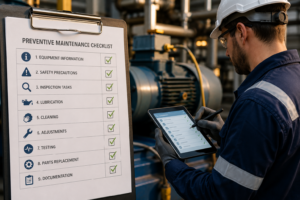
Until recently the crucial act of Inspection has been treated like a black art in most industries. A junior inspector will be hired and serve an apprenticeship under the senior team, who will school them in the art of Inspection. Over time, the apprentice becomes a Master.
The problem in this model is that there can be a lack of standardization, an incomplete approach to industry and regulatory compliance, and no formal knowledge capture or transfer. With the current demographics of the Baby Boomers, a lot of senior Inspection personnel are retiring. Without any formal mechanism to house their years of experience, Inspection teams can be appreciably weakened and there can be a commensurate increase in enterprise risk.
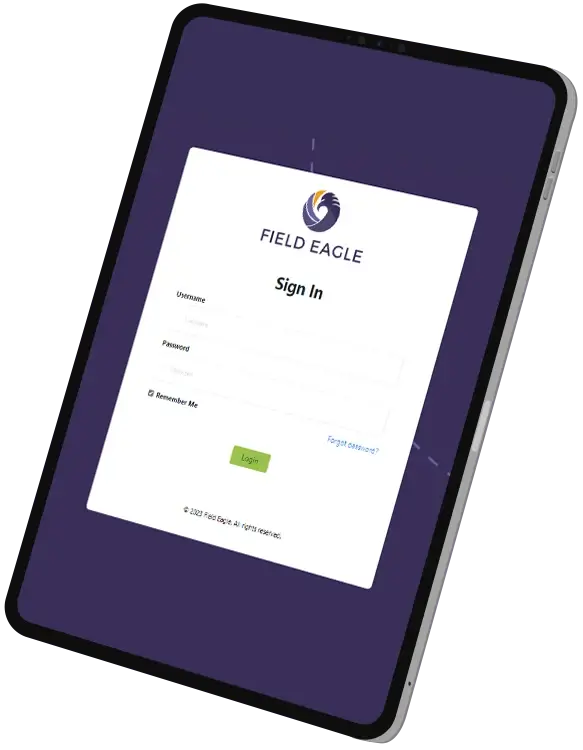
There are now technologies in place, like our tablet-based Inspection system, Field Eagle, that can capture this corporate knowledge and allow it to be effectively harnessed by the organization. All the expertise of senior staff can be incorporated into the inspection process and workflow. The same is true of any regulatory or contractual requirements – the specifics can be baked right into the inspection process so that there is no ambiguity about the procedure or workflow.
Risk management has many moving parts, and the inspection process, approached strategically, can be an invaluable component of your risk strategy. What do we mean by Strategic Inspection? We mean that you’re no longer looking at inspection as an obligation, but you’re looking at how it can positively impact your business. Inspection can play a role in asset management, HSE (health, safety, and environment), and compliance. These all contribute to your risk profile.
With respect to Asset Management, Inspection can ensure a proper maintenance schedule and ensure that Best Practices are followed when it comes to the upkeep of equipment, facilities, and environments. Collecting Inspection data and applying predictive analytics can also identify correlations and trends which can lead to a new approach to asset management.
HSE is often at the core of an Inspection program. A strategic approach to Inspection can lead to not simply meeting basic HSE requirements, but can lead the way to becoming an industry leader in this field that becomes more important every year.
The risk created by incomplete or insufficient contractual or regulatory compliance is significant. Strategic inspection does not make compliance an afterthought, but upholds it as a key ingredient. Strategic Inspection will not only ensure compliance, it will also greatly simplify any auditing process by having all the inspection data collected in a central searchable repository.
Whether you’re inspecting an oil rig, an airplane hangar, an HVAC system, or an assembly line, there are lots of opportunities to reduce risk through the inspection process. Many companies only think of Inspection from a tactical perspective, or even worse, not at all. Incorporating Inspection into your overall risk strategy will help you minimize your risk and maximize your profits.
FAQs
Strategic inspection is an approach where inspections are not treated as routine compliance tasks but as a structured part of an organization’s risk management system. It focuses on identifying high-risk assets, applying consistent inspection methods, and using inspection data to actively reduce operational, safety, and compliance risks.
It improves risk management by standardizing inspection processes, capturing consistent data, and integrating inspections into broader asset management and safety systems. This allows organizations to detect issues earlier, reduce uncertainty, and make more informed decisions about maintenance and operations.
Traditional inspection is often reactive or checklist-based, with limited connection to overall risk planning. Strategic inspection is proactive and data-driven, linking inspection results directly to asset risk profiles, compliance requirements, and long-term maintenance strategies.
Data is essential because it turns inspections into actionable insights. When inspection results are consistently recorded and analyzed, organizations can identify patterns, predict failures, and prioritize high-risk assets more effectively.
Industries with high-value or safety-critical assets benefit most, such as oil and gas, manufacturing, construction, utilities, and transportation. These sectors rely on inspection-driven decision-making to reduce downtime, improve safety, and manage regulatory compliance.