NASPO Certified
Sandvik is a global engineering group in tooling, materials technology, mining and construction with a strong commitment to enhancing customer productivity, profitability and safety. Sandvik’s operations are based on their unique expertise in materials technology, extensive knowledge about industrial processes, close customer cooperation and continuous investments in R&D. Sandvik Mining Systems is a Product area with focus on Heavy Mining and Materials Handling Equipment.
Customer | Sandvik Mining Systems Europe |
Industry | Mining and materials handling |
Use case | Heavy mining and bulk material handling equipment |
Verified outcome | Immediate condition and compliance reports with standardized global forms |
Sandvik Mining Systems needed better control of inspection and audit data for heavy mining and bulk material handling equipment moving coal, ore and overburden. These assets included stackers, reclaimers, ship loaders, conveyors and fully mobile machines.
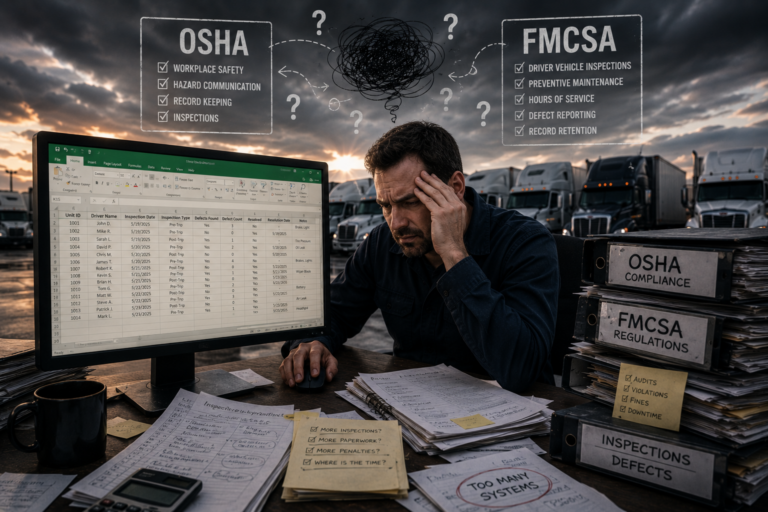
Manual preparation and paper documentation were insufficient for machines with hundreds of inspection points. Inconsistent processes made it harder to compare condition, communicate expectations and act quickly when valuable equipment required attention.
“Sandvik need their operations to have more control, with a standardized, fast inspection process that would ensure the health of its equipment. That is where Field Eagle stepped in”
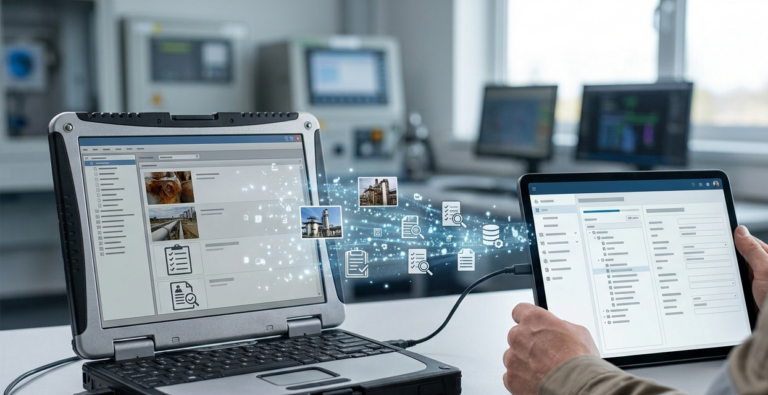
Field Eagle implemented an enterprise audit system that supported a standardized approach across market operations areas. Administrators created inspection forms with applicable industry standards built into the workflow, while inspection information was organized on secured Sandvik servers.
The configuration was adapted to Sandvik’s requirements, supported form creation and field execution, and provided a shared database for inspection evidence and reports.
Sandvik transferred manual inspection preparation and documentation into Field Eagle. After inspection, operations could review equipment health and send complete condition and compliance reports immediately.
That faster information flow helped teams begin maintenance, define measures and prepare rectification or enhancement proposals. Sandvik also identified a future opportunity to connect the inspection database with its electronic spare-parts catalogue and online condition-monitoring systems.
Manual inspection preparation and documentation moved into a shared enterprise audit system. Administrators embedded required standards in the forms, while inspectors captured condition information against the correct asset. Operations received a consistent report immediately after completion.
Standardization makes equipment condition easier to compare across locations and teams. It also gives maintenance and commercial teams a shared evidence base for rectification measures, enhancement proposals and future links to spare-parts or online condition-monitoring systems.
This approach is designed for multinational mining and materials-handling organizations that inspect large, high-value equipment across multiple operating regions. It is particularly relevant when local inspection practices need to align with a global standard while data remains within the company environment.
Field Eagle brings mobile data collection into one Inspection Management Software workflow. Teams can use Field Inspection Software at the point of work, maintain asset-specific histories with Asset Inspection Software, and configure the broader Inspection Software process around required forms, evidence and reports.
For organizations that need connected business systems, review available Integrations. Teams can also use structured records to support internal standards and external Compliance requirements.
It should keep inspection history tied to each asset, support required checks and evidence, highlight equipment condition and create follow-up records. For large mining machines, the structure must handle hundreds of inspection points without losing asset context.
Yes. Centrally managed forms can define a common process and required standards while local teams carry out the work. Sandvik used this model across market operations areas.
Structured checks and retained evidence create a consistent audit trail. Sandvik could produce condition and compliance reports immediately after inspection and send them to operations.
Integration depends on the available systems and interfaces. Sandvik identified combining its Field Eagle inspection database with an electronic spare-parts catalogue and online condition monitoring as a valuable next step.