Update cookies preferences

Fire Suppression System Inspection: NFPA 25 Requirements and Free Templates

Automatic fire suppression systems are one of the most effective life safety systems in any building or industrial facility. NFPA 25 Standard for the Inspection, Testing, and Maintenance of Water-Based Fire Protection Systems establishes comprehensive inspection, testing, and maintenance requirements that apply to sprinkler systems, standpipe systems, fire pumps, and water storage tanks. A fire suppression system that fails to activate when needed because inspection and testing have been deferred is a serious life safety failure. Systematic NFPA 25-compliant inspection programs verify that every component in the system will function correctly when called upon.

Download free fire suppression system inspection templates covering weekly, monthly, quarterly, and annual inspection programs. Use the inspection interval calculator to configure the complete NFPA 25 inspection schedule.

No obligations, See how it works for yourself.
Fire Suppression System

What Is a Fire Suppression System?

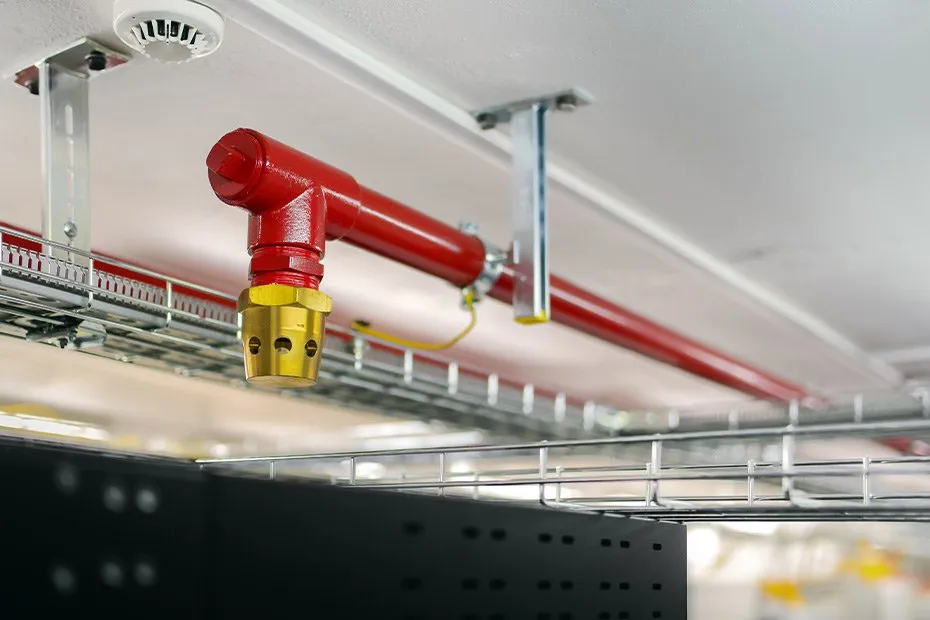
A fire suppression system is an active fire protection system that automatically or manually discharges extinguishing agent onto a fire. Water-based systems include wet pipe sprinkler systems where pipes are permanently filled with water; dry pipe sprinkler systems where pipes are filled with pressurized air or nitrogen and water is released when a sprinkler activates; pre-action sprinkler systems used in areas where accidental discharge would cause significant damage such as data centres and archives; and deluge systems used in high-hazard areas. Non-water suppression systems include clean agent systems, CO2 systems, and dry chemical systems used to protect electrical equipment, data centres, and industrial processes where water damage is unacceptable.

What to Inspect on a Fire Suppression System

NFPA 25 organizes fire suppression system inspection into weekly, monthly, quarterly, semi-annual, and annual components. The inspection scope varies significantly by inspection frequency with more detailed testing at longer intervals.

Sprinkler Heads

Sprinkler Heads

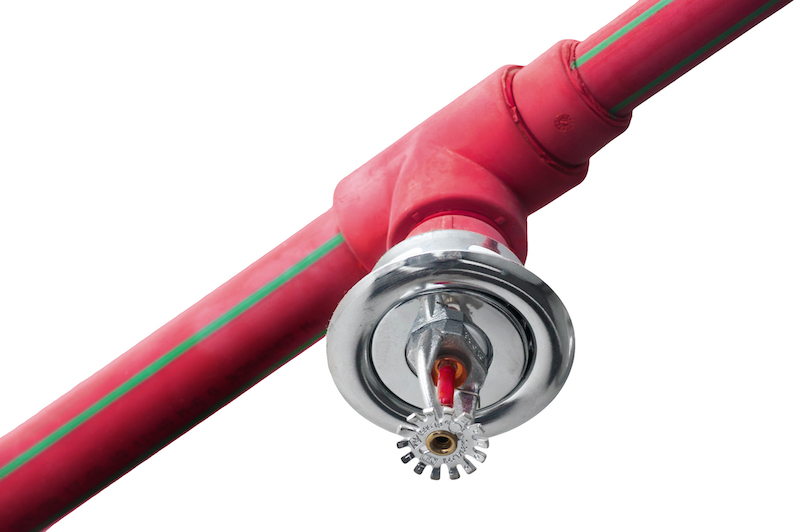
Inspect all sprinkler heads for physical damage, corrosion, paint overspray, and loading with dust or other material. A sprinkler head that has been painted over, loaded with dust, or mechanically damaged may not activate at the correct temperature or may not distribute water correctly when it does activate. Inspect for signs of leakage at the sprinkler head fitting. Verify that the correct sprinkler head type is installed for the hazard and ambient temperature conditions in each area. Sprinkler heads in high-temperature areas must be rated for those temperatures.
Gauges and Pressure

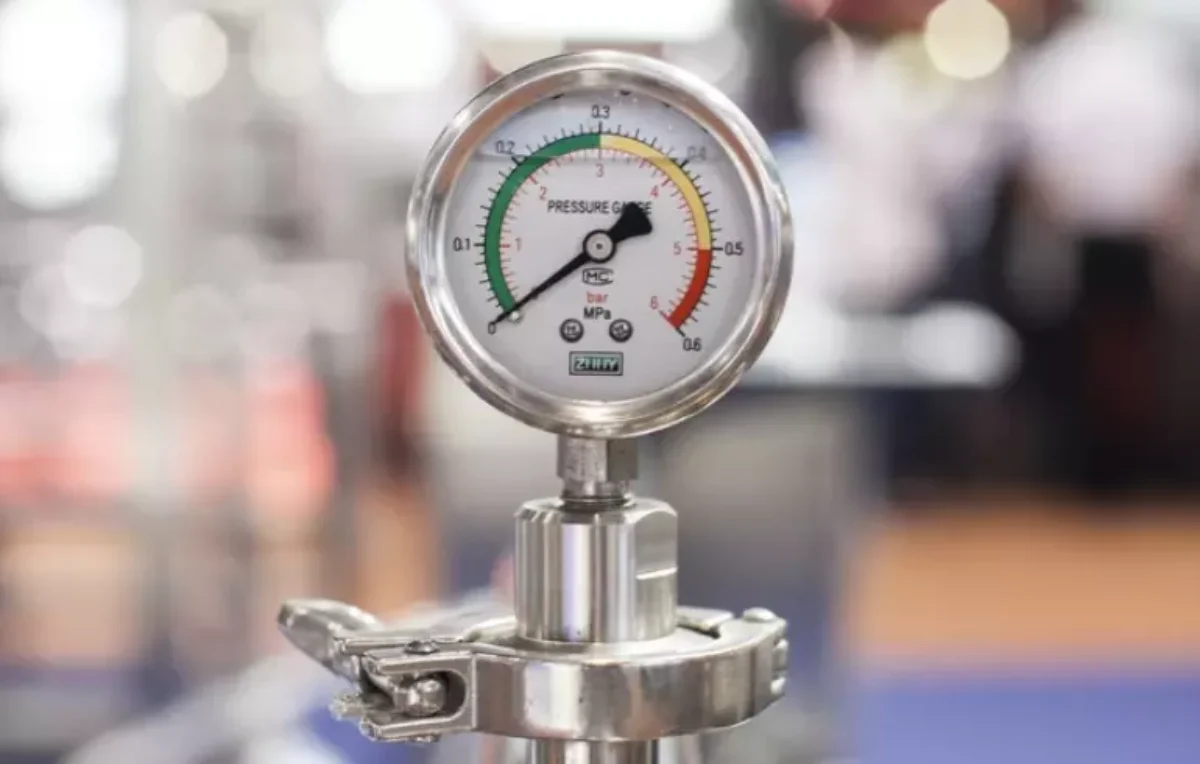
Inspect system pressure gauges for correct reading and condition. Wet pipe systems should maintain water supply pressure within the designed operating range. Dry pipe systems should maintain the correct air or nitrogen pressure ratio to water supply pressure. Significant pressure loss between inspections indicates a leak in the system that must be identified and corrected. Inspect gauge condition and verify gauges are within their calibration date.
Control Valves

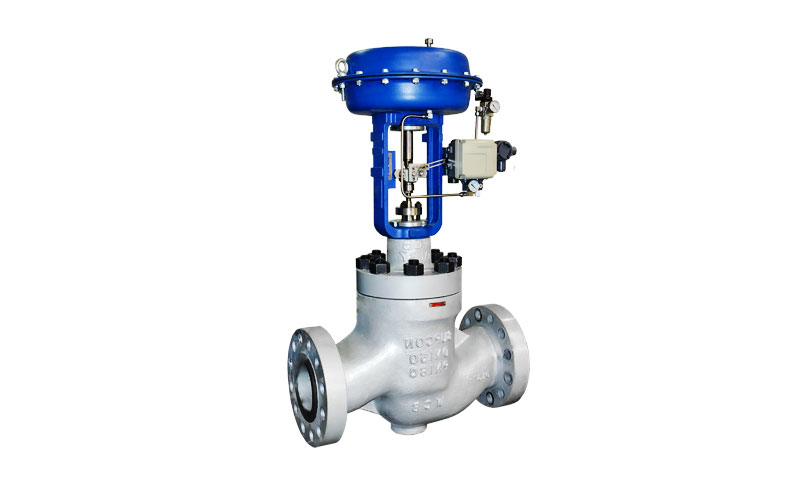
Inspect all system control valves to verify they are in the fully open position and properly secured or supervised. A closed control valve will prevent the system from discharging water in a fire. NFPA 25 requires that control valves be inspected weekly when not electronically supervised and monthly when supervised. Inspect all supervisory devices on control valves for correct function. Tamper switches must generate an alarm signal when the valve is moved from the fully open position.
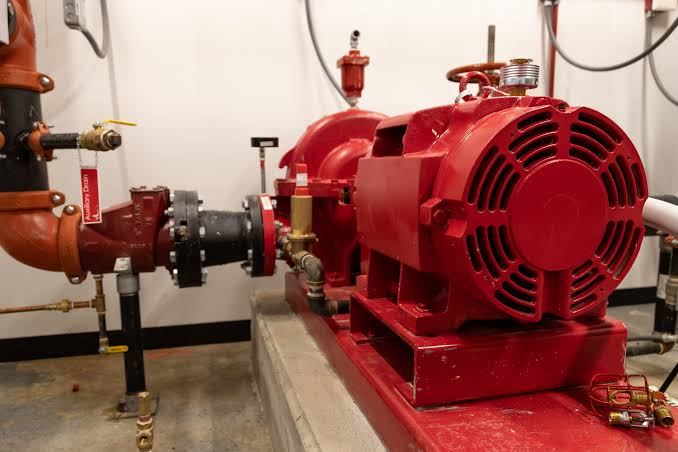
Fire Pump

Fire pump inspection is among the most critical elements of the NFPA 25 program. Conduct weekly no-flow churn tests to verify the pump starts automatically. Record suction and discharge pressure, speed, and system pressure during each weekly test. Conduct annual full-flow performance tests to verify the pump delivers rated capacity at rated pressure. Inspect the pump controller, transfer switch, and all associated electrical systems. Fire pump failure to start is the most consequential single-point failure in a fire protection system.
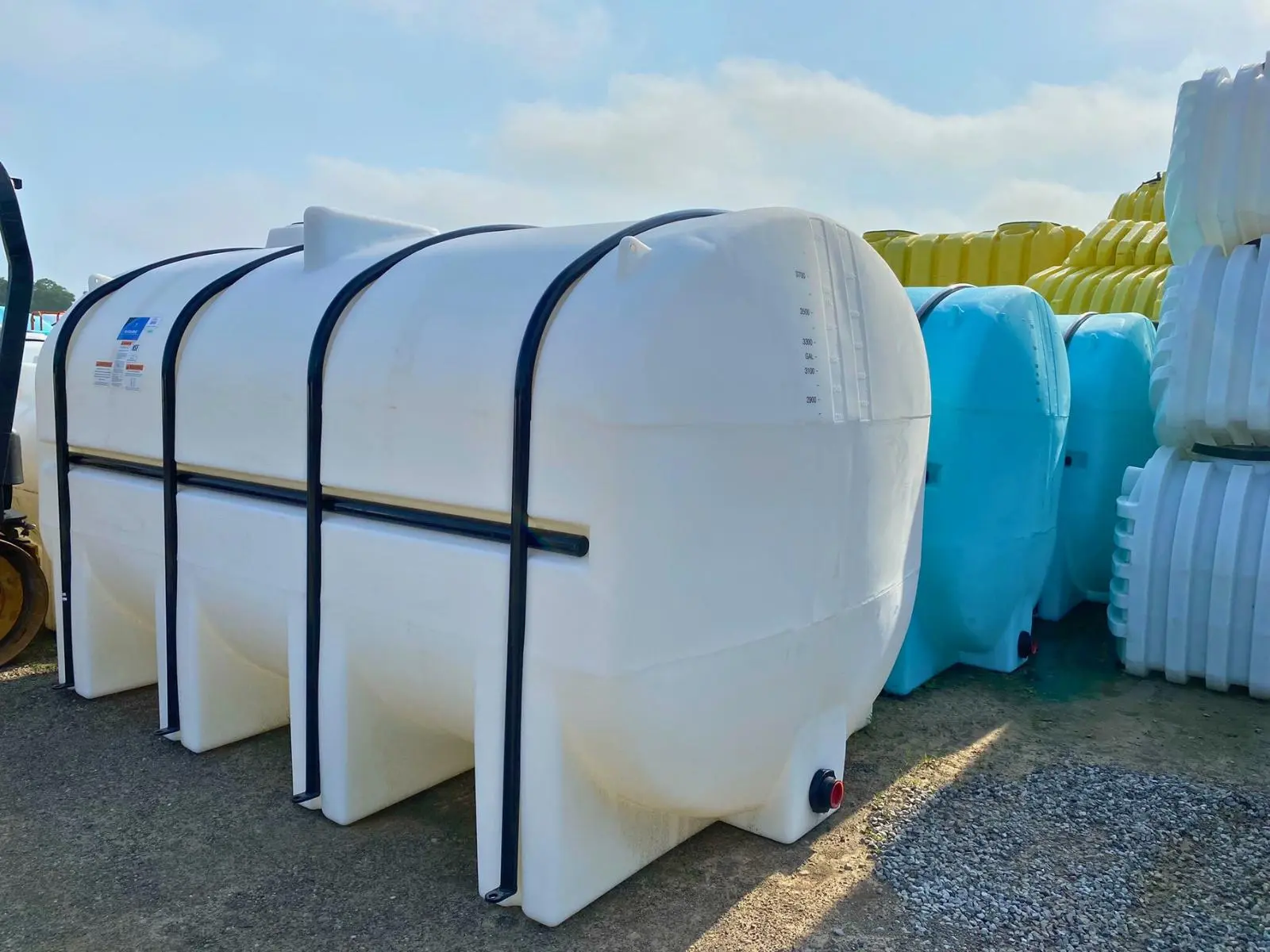
Water Storage and Supply

Inspect water storage tanks for water level, condition, and heating systems where required. Inspect the water supply connection to verify adequate flow and pressure is available from the supply source. For suction tanks, inspect the interior for biological growth, sediment, and structural condition at the annual inspection.
Pipe and Fittings

Pipe and Fittings

Inspect all accessible piping for corrosion, mechanical damage, improper support, and leaks. In areas where pipes are concealed, inspect at access points. Pay particular attention to pipe at potential corrosion locations including hangers, supports, and areas exposed to corrosive environments. In dry pipe and pre-action systems, inspect for evidence of water accumulation that indicates drainage problems.

How Often Should Fire Suppression Systems Be Inspected?

NFPA 25 establishes inspection frequencies for every component of a water-based fire suppression system. Use the inspection interval calculator to configure the complete NFPA 25 inspection program.

  • Weekly: Control valves not electronically supervised, fire pump churn test
  • Monthly: Control valves electronically supervised, gauges, alarm devices
  • Quarterly: Sprinkler heads, pipe condition, waterflow alarm devices, supervisory signal devices
  • Semi-annual: Anti-freeze loop inspection, dry pipe valve inspection, fire department connections
  • Annual: All sprinkler heads, full flow pump test, main drain test, all system components
  • Every 5 years: Internal pipe inspection for obstruction investigation, sprinkler head sample testing

Common Fire Suppression System Inspection Findings

These findings are most frequently documented during NFPA 25 inspections across commercial and industrial facilities. All must be corrected and tracked through Field Eagle inspection tracking software.

  • Control valve found in partially closed position reducing water flow to the system
  • Sprinkler heads painted over, loaded with dust, or mechanically damaged
  • Fire pump failing to start automatically during weekly churn test
  • System pressure significantly lower than previous inspection indicating a leak
  • Sprinkler heads missing in areas requiring coverage
  • Pipe corrosion at hangers and supports in corrosive environments
  • Fire department connection couplings damaged or missing caps
  • Waterflow alarm not activating correctly during quarterly test
  • Dry pipe system air pressure ratio incorrect
  • NFPA 25 inspection records incomplete or not maintained

Regulatory Requirements for Fire Suppression System Inspections

Fire suppression system inspection requirements come from NFPA 25 and applicable building and fire codes. Field Eagle EHS software maintains all fire protection inspection documentation for regulatory review.

  • NFPA 25 Standard for the Inspection, Testing, and Maintenance of Water-Based Fire Protection Systems
  • NFPA 13 Standard for the Installation of Sprinkler Systems – design standard referenced in NFPA 25
  • NFPA 20 Standard for the Installation of Stationary Pumps for Fire Protection
  • International Fire Code Section 901 – fire protection system maintenance requirements
  • Local authority having jurisdiction requirements which may exceed NFPA 25 minimums
  • Insurance carrier requirements which frequently mandate NFPA 25 compliance

Free Fire Suppression System Inspection Templates

Field Eagle provides free fire suppression system inspection templates covering weekly, monthly, quarterly, and annual NFPA 25 inspection programs for sprinkler systems, fire pumps, standpipe systems, and clean agent suppression systems. Download from the inspection templates library and use immediately. Inside Field Eagle inspection management software, each fire suppression system is registered as an individual asset record with complete NFPA 25 inspection history. Field Eagle AI Preventative Maintenance identifies systems showing performance trends and component condition patterns that indicate developing failures before they compromise fire protection.

Frequently Asked Questions

NFPA 25 requires quarterly inspection of sprinkler heads for physical condition, corrosion, paint, and loading. Control valves require weekly inspection when not supervised and monthly when electronically supervised. Annual inspections cover all system components including sprinkler heads, pipe, gauges, fire pump performance, and alarm devices. Every 5 years, internal pipe inspection for obstruction and sample testing of sprinkler heads are required. Use the inspection interval calculator to configure the complete NFPA 25 schedule.

NFPA 25 requires that inspections, testing, and maintenance of fire suppression systems be performed by qualified personnel. Qualified personnel are those who are trained and have the knowledge to perform inspections in accordance with the standard. Many jurisdictions require that fire suppression system inspection be performed by licensed fire protection contractors. The authority having jurisdiction in your area determines the specific licensing requirements.

The fire pump is the most critical component. A fire pump failure means the system cannot deliver adequate water flow to suppress a fire. The weekly fire pump churn test is the most important routine inspection activity – it verifies that the pump starts automatically every week. Fire pumps that are not tested weekly and found to fail represent a serious undetected deficiency. The second most critical inspection item is control valve position – a closed control valve disables the entire system.

Field Eagle manages the full NFPA 25 inspection program schedule across unlimited facilities from one central platform. Weekly fire pump tests, monthly valve inspections, quarterly sprinkler inspections, and annual full-system inspections are all scheduled and tracked automatically. Overdue inspections are escalated to facility managers. All inspection records are timestamped, signed, and maintained permanently for authority having jurisdiction review. Field Eagle safety audit software integrates fire suppression system compliance into broader facility life safety audit programs.

Request a Free Demo

Call Us

Call or Fill out the Form

or Fill out the Form

Request a Demo


Request a Feature

Request a Feature

Contact Us


We take your privacy seriously and will never share your information.

Contact Us


We take your privacy seriously and will never share your information.

Request a Demo


We take your privacy seriously and will never share your information.

Podcast