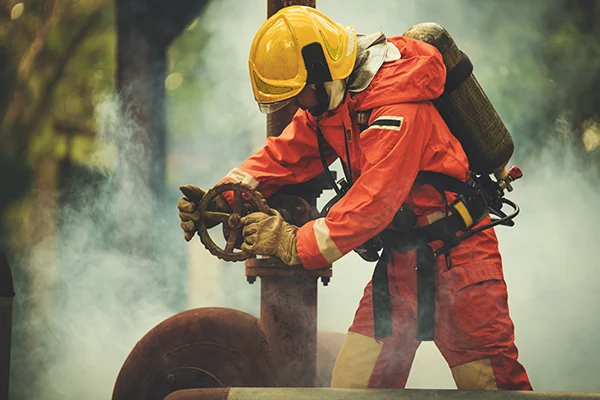
In high-risk industries like mining, oil & gas, and manufacturing, emergencies can strike without warning. Fires, chemical spills, equipment failures, and extreme weather events all require fast, coordinated action.
Yet, many organizations overlook one of the most critical pieces of emergency preparedness: regular inspections.
Inspections ensure that response systems, personnel, and protocols are not only in place but ready to activate the moment they’re needed.
1. Verifying Equipment and Infrastructure Readiness
When emergencies occur, every second counts. Safety equipment must be fully operational.
Inspections help teams check:
- Fire extinguishers, sprinklers, and alarms
- Emergency exits and lighting
- Backup generators and communication systems
Result: No surprises when time is critical.
2. Confirming Availability of Emergency Supplies
Supplies like first aid kits, spill containment materials, and protective gear must be:
- Properly stocked
- Accessible and clearly labelled
- Stored in the right environmental conditions
Routine inspections verify these details and track expiration dates.
3. Evaluating Staff Training and Readiness
An emergency response plan is only as strong as the team implementing it.
Inspections and audits can:
- Verify who has completed emergency training
- Ensure drills are conducted and logged
- Review clarity of on-site signage and SOP access
Result: Workers are equipped to respond quickly and confidently.
4. Assessing Communication Systems
Effective emergency response depends on timely communication.
Inspections include checks on:
- Radio and PA systems
- Alarm integration with central monitoring
- Emergency contact lists and response trees
Result: Teams stay connected under pressure.
5. Supporting Regulatory Compliance and Continuous Improvement
Emergency preparedness isn’t just about internal safety—it’s also a compliance requirement.
Inspections help you:
- Maintain audit-ready records of all safety checks
- Document corrective actions and inspection timelines
- Refine your emergency response plans based on real data
Result: A proactive, rather than reactive, safety culture.
Final Thoughts
Inspections are the bridge between planning and performance. When done consistently and digitally, they transform emergency response readiness from a binder on the shelf to a living, evolving part of daily operations.
Because when lives are on the line, “almost ready” isn’t ready enough.
About Field Eagle
Field Eagle is a trusted inspection and asset management software provider built for industries where compliance, safety, and efficiency are critical. From mining and oil & gas to manufacturing and infrastructure, Field Eagle equips field teams with the tools to work smarter, improve accuracy, and reduce operational risk.
FAQs
Inspections ensure that emergency systems, equipment, and procedures are fully functional and ready to use when an incident occurs. They help confirm that nothing critical is missing or malfunctioning at the moment of response.
Common items include fire extinguishers, alarm systems, emergency lighting, backup generators, communication systems, and evacuation equipment. Inspections also verify proper storage and accessibility of these resources.
Inspections verify training completion, ensure drills are conducted regularly, and confirm that workers understand emergency procedures. This helps teams respond quickly and correctly during real incidents.
They check that radios, alarms, and public address systems are functioning properly and that emergency contact lists are updated. This ensures clear and immediate communication during critical situations.
They create documented proof of emergency readiness, track corrective actions, and identify gaps in procedures. This helps organizations meet regulatory requirements and continuously improve their emergency response plans.