In the dynamic world of construction, where equipment and machinery are the backbone of projects, ensuring the longevity of assets is a critical consideration. Proactive maintenance practices play a pivotal role in achieving this goal, allowing construction companies to extend the lifespan of their assets, enhance efficiency, reduce downtime, and ultimately save costs. In this blog, we’ll explore the significance of proactive maintenance in construction and how it can be a game-changer for the industry.
Why Proactive Maintenance Matters in Construction:
Construction assets endure rigorous and demanding work environments, and without proper care, they can experience accelerated wear and tear, leading to breakdowns, unplanned downtime, and increased repair costs. This is where proactive maintenance comes into play.
- Preventing Unplanned Downtime:
Proactive maintenance involves regular inspections and repairs to identify and address potential issues before they escalate. By addressing minor problems early on, construction companies can prevent unexpected breakdowns that could halt a project and lead to costly delays.
- Extending Asset Lifespan:
Regular maintenance, such as lubrication, cleaning, and parts replacement, helps keep equipment and machinery in optimal condition, maximizing their value and return on investment.
- Enhancing Safety on the Job Site:
Well-maintained equipment is safer to operate. Proactive maintenance not only ensures the functionality of assets but also addresses safety concerns, leading to a decrease in workplace accidents and injuries.
Read Blog: The Crucial Role Of Construction Inspection Software In Enhancing Job Site Safety
Implementing Proactive Maintenance Strategies:
- Scheduled Inspections:
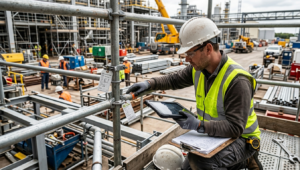
Establishing a routine inspection schedule is foundational to proactive maintenance. Regularly assess each asset for wear, damage, or potential issues.
- Data-Driven Maintenance:
Embrace technology to collect and analyze data from construction assets. Utilize sensors and monitoring systems to track performance metrics, allowing for predictive maintenance based on real-time data.
- Investing in Training:
Ensure that maintenance teams are well-trained on the intricacies of each asset. Knowledgeable technicians can identify and address issues more efficiently, minimizing downtime and reducing the likelihood of errors during maintenance procedures.
- Collaborative Maintenance Planning:
Foster collaboration between project managers, equipment operators, and maintenance teams. Input from those directly involved with the assets can provide valuable insights into usage patterns, potential issues, and improvement opportunities.
How does Field Eagle help with asset maintenance strategy? Check out our features.
The Long-Term Benefits:
- Cost Savings:
While proactive maintenance requires an upfront investment, the long-term cost savings are significant. Preventing major breakdowns and addressing issues early on reduces the need for costly emergency repairs and replacements.
- Improved Project Efficiency:
Projects that experience minimal downtime due to well-maintained assets can progress more efficiently. Proactive maintenance contributes to project timelines, helping construction companies meet deadlines and client expectations.
- Positive Reputation:
Consistently delivering projects on time and within budget contributes to a positive reputation in the construction industry. Clients are more likely to trust companies prioritizing asset longevity and project efficiency through proactive maintenance practices.
Field Eagle: Your Partner in Proactive Maintenance Excellence
In conclusion, proactive maintenance is a cornerstone of successful construction operations. By investing in the care and preservation of assets, construction companies can create a safer, more efficient, and cost-effective working environment. As the industry evolves, embracing proactive maintenance will be crucial for staying ahead and achieving long-term success. Consider partnering with Field Eagle, a trusted ally in asset management excellence, for comprehensive, proactive maintenance solutions tailored to the construction industry.
FAQs
Proactive maintenance is a structured approach to equipment care that focuses on preventing failures before they occur. It involves regular inspections, scheduled servicing, and continuous monitoring of machinery conditions. Instead of reacting to breakdowns, teams identify early warning signs such as wear, vibration changes, leaks, or performance drops and address them in advance. This approach is widely used in construction because equipment operates in harsh environments where small issues can quickly escalate into major failures.
Construction equipment operates under heavy loads, variable weather conditions, and continuous usage, which accelerates wear and tear. Proactive maintenance helps preserve asset integrity by ensuring parts are replaced or repaired before failure occurs. This extends the operational lifespan of machinery, improves reliability, and reduces the total cost of ownership. It also ensures that high value assets such as excavators, cranes, and loaders retain performance efficiency over time, maximizing return on investment.
Unexpected equipment breakdowns are one of the leading causes of construction delays. Proactive maintenance reduces this risk by ensuring machines are consistently inspected and serviced according to condition and usage patterns. Early detection of issues like hydraulic leaks, engine inefficiencies, or structural fatigue allows repairs to be scheduled without disrupting ongoing work. This keeps project timelines stable, minimizes downtime, and prevents cascading delays across dependent tasks and crews.
Common methods include scheduled preventive inspections, where equipment is checked at fixed intervals, and condition based monitoring, where sensors track real time performance indicators such as temperature, pressure, and vibration. Predictive maintenance is also used, where historical and live data are analyzed to forecast failures before they happen. In addition, maintenance teams rely on structured checklists, lubrication schedules, part replacement cycles, and digital inspection systems to ensure consistency and traceability.
Equipment failures can create serious safety risks, especially when working with heavy machinery or elevated structures. Proactive maintenance reduces these risks by ensuring that equipment remains in safe operating condition. Regular inspections help identify faults such as brake issues, structural cracks, or hydraulic malfunctions before they lead to accidents. This minimizes the likelihood of operator injury, equipment collapse, or uncontrolled machine behavior, contributing to a safer and more controlled job site environment.