Update cookies preferences

How Sandvik Australia Standardized Bulk Material Handling Equipment Inspections

Sandvik is a global engineering group in tooling, materials technology, mining and construction with a strong commitment to enhancing customer productivity, profitability and safety.

Sandvik’s operations are based on their unique expertise in materials technology, extensive knowledge about industrial processes, close customer cooperation and continuous investments in R&D

Customer

Sandvik Australia

Industry

Mining and bulk material handling

Use case

Stackers, reclaimers, ship loaders and conveyors

Verified outcome

Standardized inspections, organized local data and immediate reports

Workflow Time Saved
Up to 0 %
Instant Report Generation
Several Days to 50
More Accuracy
Up to 0 %

THE CHALLENGE:

Complex assets produced fragmented inspection data

Bulk material handling systems move coal and other dry materials to storage or their next destination. Sandvik’s equipment included stationary and moving assets such as stackers, reclaimers, ship loaders and conveyor belts. Downtime on these high-value machines can create major operational and financial consequences.

Paper inspections were not sufficient for equipment with hundreds of data points. Sandvik needed a faster, standardized method that gave operations more control over equipment-condition records and supported a global inspection approach.

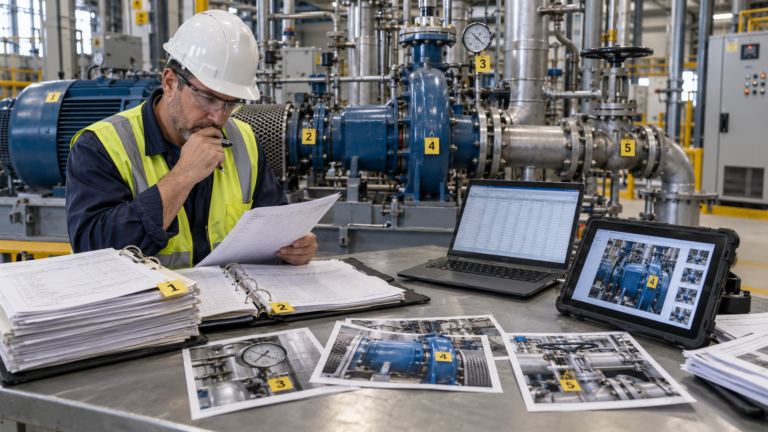
Too Many asset inspection problem
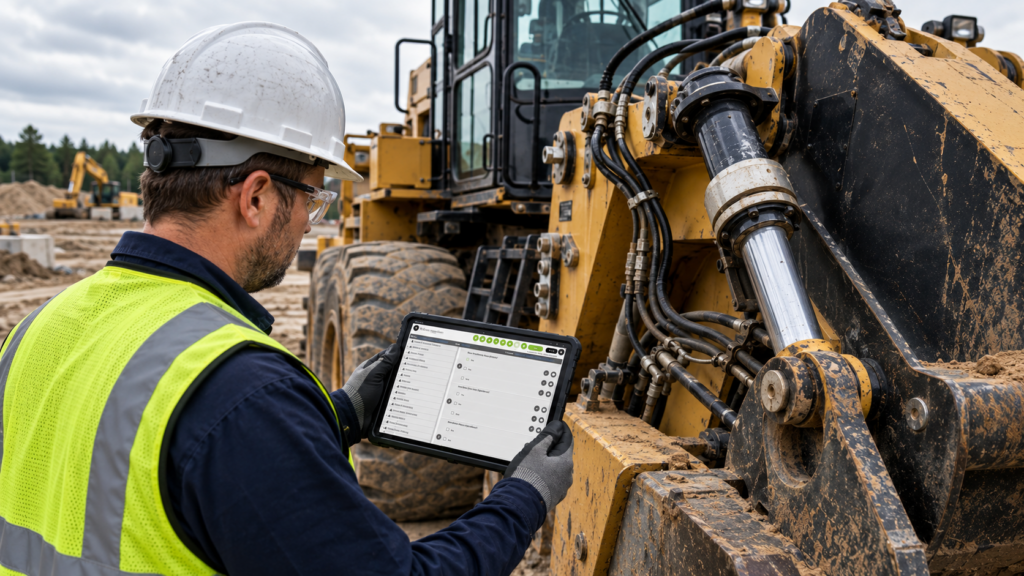
Heavy Equipment inspection software

THE SOLUTION:

A controlled enterprise inspection workflow

Field Eagle worked with Sandvik to implement an enterprise audit system for bulk-handling equipment across market operations areas. Inspection processes were transferred from manual forms into standardized digital workflows, and data was collected locally on Sandvik’s secured servers.

Administrators could define one inspection form with the required standards built in. Field teams completed the same structured process, while operations could organize information and produce reports without recreating inspection data manually.

THE RESULT:

Speed, consistency and a faster maintenance response

Sandvik summarized the value as follow-through, asset management, consistency, transparency and speed. Standardized targets reduced inspector-to-inspector variation, while immediate reports gave operations a faster view of equipment health.

Compliance reports could be sent to the operations team after an inspection so maintenance planning could begin sooner. The project was subsequently extended beyond bulk material handling to cover inspections of other equipment.

Wayne Slight
Wayne SlightSandvik Project Manager
“It has been a pleasure to work with the Field Eagle team with their can do attitude, open mindedness and results driven ethos”

A CLOSER LOOK AT THE IMPLEMENTATION:

What changed in the equipment workflow

Administrators defined a controlled inspection form and embedded the required standards once. Field teams then used the same structure across bulk material handling assets. Inspection evidence remained organized by equipment, and completed reports were available without rebuilding the record from paper.

Why the result matters

A stacker, reclaimer, ship loader or conveyor can sit directly on the production path. When condition information is delayed or inconsistent, maintenance decisions are delayed as well. A standard inspection record helps operations distinguish isolated findings from patterns and move more quickly from evidence to action.

Best fit for this approach

This model fits mines, ports and bulk terminals that manage complex fixed and mobile equipment across several sites. It is most useful when machines have many inspection points, inspection consistency varies by technician, or the organization requires company-controlled data storage.

How Field Eagle connects the inspection workflow

Field Eagle brings mobile data collection into one Inspection Management Software workflow. Teams can use Field Inspection Software at the point of work, maintain asset-specific histories with Asset Inspection Software, and configure the broader Inspection Software process around required forms, evidence and reports.

For organizations that need connected business systems, review available Integrations. Teams can also use structured records to support internal standards and external Compliance requirements.

Frequently Asked Questions

A configurable system can support stackers, reclaimers, ship loaders, conveyor belts and other fixed or mobile assets. Sandvik used one enterprise approach for bulk-handling equipment and later extended it to additional equipment.

It standardizes the required inspection points, keeps evidence tied to the asset and produces a usable record immediately. This is especially valuable when a machine has hundreds of inspection points.

The deployment model depends on the organization’s security requirements. In the Sandvik project, inspection data was collected locally on Sandvik’s secured servers.

Software does not prevent every failure, but it shortens the path from field finding to maintenance action. Immediate equipment-health and compliance reports help operations begin required maintenance sooner.